
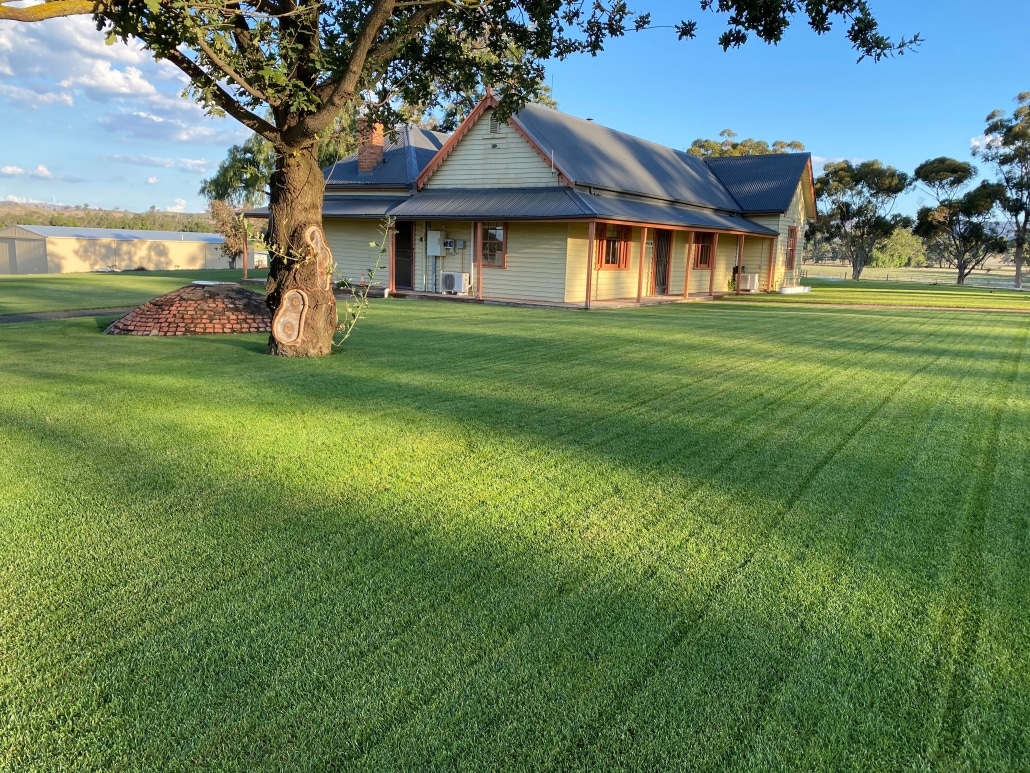
Best Shade-Tolerant Grass for Low-Light Lawns
A lush, green lawn can transform any backyard into an inviting oasis, but what happens when overarching trees, neighbouring buildings or the orientation of your house casts persistent shade? Many Victorian homeowners find their dreams of a healthy lawn challenged by low-light conditions. While all plants need sunlight, some turf types can thrive with surprisingly little. This means a shady spot doesn’t automatically rule out growing grass altogether. The key is choosing the right turf, specifically, shade-tolerant varieties designed to perform well even with limited sunlight.
This guide helps you see the sunny side of a shady yard. From choosing the right shade-tolerant turf to getting the most out of it. We’ll show you how to grow a lush shade-tolerant lawn, even in low light.
Shortlisting The Best Shade-Tolerant Grass Types
Selecting the right lawn variety is critical to the success of shaded lawns. While no grass will flourish in constant deep shade, several cultivars are specifically adapted to perform admirably in Victorian gardens where sunlight is at a premium.
Sir Walter Buffalo Grass
Sir Walter Buffalo is hands-down one of the best-performing warm-season grasses in lower light conditions. With its broad leaf and tight growth habit, this DNA-Certified shade-resistant turf can handle up to 70% shade while keeping its deep green colour. It’s an Aussie-bred variety developed to cope with our local conditions. This means it’s not made just for shade. Turf with the Sir Walter DNA-certified mark also offers very good drought tolerance and low-maintenance requirements. Whether it’s a courtyard that only gets a few hours of sun or a backyard with scattered tree cover, Sir Walter saves the day in many shady situations, giving you a lovely, lush lawn even without ample direct sunlight.
TifTuf Bermuda
If your shaded space still gets a decent dose of filtered or partial sunlight, TifTuf Bermuda could be the right choice. TifTuf’s fine texture, superbly drought-tolerant nature and quick green-up during the warmer months make it a tough performer. Add in high shade tolerance with as little as 4 hours of direct sunlight per day, and it’s a strong contender for those seeking a fine-leaf look for shaded areas.
RTF Tall Fescue
An excellent cool-season choice for challenging shady areas in Victoria, RTF Tall Fescue boasts strong shade tolerance. Though it thrives with more light, RTF is a strong performer in areas with just 3–4 hours of sun. Self-repairing rhizomes provide highly resistant wear tolerance compared to older fescues, while their deep root system aids persistence. This grass stays green longer through cooler months, offering turf cover where warm-season grasses often struggle with low light.
Understanding Shade Levels and Types
When assessing your site, it’s important to understand how much shade and the profile of light you’re dealing with. Not all shade is created equal, and the amount and type of light your lawn receives will significantly influence your choice of turf and its potential for success.
- Full Sun – Areas that receive 6 or more hours of direct sunlight per day. These conditions are ideal – and often essential – for sun-loving grasses. Even shade-tolerant varieties will generally thrive in full sun, provided they’re well watered and protected from extreme heat.
- Partial Shade / Dappled Sunlight – These spots might get 3-6 hours of direct sun daily, or consistent, filtered light (such as the patchwork light from high, open tree canopies) for much of the day. Many shade-tolerant varieties can perform well here.
- Moderate to High Shade – Areas receiving only 2-3 hours of direct sunlight, or predominantly indirect sunlight or very filtered light. This is where only the most shade-tolerant grass types have a chance.
- Deep Shade / Low Light – Areas receiving less than 2 hours of direct sun, or constant heavy shade from dense trees or structures. Growing grass here is extremely challenging, and often, alternative landscaping solutions might be better.
It’s always smart to increase light levels wherever possible. One of the easiest ways to do this is by trimming back trees and shrubs that are blocking sunlight. You might be surprised at what a difference a few hours with a pair of secateurs or hedge clippers can make. Pruning foliage and removing a few low-hanging branches really is the low-hanging fruit of DIY shade reduction!
Measuring Hours of Direct Sunlight
To choose the right turf, observe your lawn at different times of the day and, if possible, throughout different seasons (as the sun’s angle changes during summer and winter). Note which areas get direct sun and for how long. Try using sun tracking apps or online tools to visualise sunlight across your lawn throughout the year. This can be helpful when selecting the right lawn type and understanding seasonal changes in light exposure.
Can Grass Grow Without Direct Sun?
All living plants need sunlight, but like indoor plants, some grass types can thrive on much less than others. Shade-tolerant varieties often achieve this through adaptations like broader, thinner leaves designed to more efficiently absorb sunlight to create energy to grow via photosynthesis. However, without sufficient light, your lawn has limited potential for healthy growth and can face a range of other issues:
- Reduced Photosynthesis – Less energy leads to weaker growth, thinner grass blades, and less dense turf.
- Elongated Growth – Grass may stretch (“get leggy”) searching for light, becoming weaker and more prone to disease. For fine-textured grasses like TifTuf, frequent mowing with a reel mower can help prevent this.
- Increased Moisture Retention – Shady areas tend to stay damp longer, encouraging fungal diseases and moss growth. Proper maintenance, including aeration and cultivating sandy soil prior to laying the turf, can help mitigate this.
- Reduced Wear Tolerance – Even shade-tolerant grasses handle foot traffic less effectively and recover more slowly in low-light conditions compared to full sun. If possible, it’s best to plan your garden design to avoid shady parts of the lawn becoming high-wear areas.
As a rule of thumb, most lawns need at least 3-4 hours of direct sunlight daily (or significantly more consistent dappled sunlight) to maintain reasonable health. Consistently less than this makes growing grass successfully very difficult.
Conclusion
A shady site doesn’t have to mean a lawn is off-limits. By choosing the right turf, preparing your site and planning your layout, you give yourself the best chance of a successful shaded lawn.
Want more guidance? Call us on 1800 622 455 to chat with an expert or get a free quote.
Best Shade-Tolerant Grass FAQs
How do shaded lawns handle foot traffic?
Low-light lawns, even those featuring shade-tolerant grass types, generally handle foot traffic less effectively than those grown in full sun. Reduced sunlight means less energy for growth and repair, so it’s a good idea to avoid high traffic or activity in shadier zones.
How much light is really needed for shade-tolerant grass to grow?
The amount of light needed can vary depending on several factors, including the specific shade-tolerant grass type, the intensity of the light (e.g., morning sun vs. harsh afternoon sun), and overall lawn health. While some shade-tolerant varieties like Sir Walter Buffalo can manage with as little as 3-4 hours of sunlight or steady filtered/partial sunlight, most will perform better with a bit more. Be realistic about your light levels – no grass can flourish in full, constant shade.
Do shaded lawns need extra nutrients or different soil?
Turf living with significant shade can sometimes benefit from extra nutrients, but it’s more about balanced feeding rather than simply adding more fertiliser. Because growth is slower in shade, over-fertilising can be detrimental. Good soil preparation is key; a well-draining soil, perhaps amended with organic matter if it’s heavy clay or very sandy soil, helps roots thrive. Consider a soil test to check for any deficiencies. Always follow expert advice for fertilising shade-tolerant lawns.
How shade-tolerant are Zoysia grasses?
Zoysias are known for developing good shade tolerance, making them a popular choice for tricky lawns. While common varieties like Empire Zoysia can struggle to maintain density in lower light, Sir Grange Zoysia is the standout performer for long-term shade resilience once fully established. Initial sun exposure during the first few months is essential for developing the strong, deep root system required to later thrive with limited sunlight.
How do I manage weeds in shady areas?
Weeds can more easily gain a foothold in shaded lawns due to thinner grass. Maintaining a healthy lawn is the best defence: mow slightly higher in shade, water carefully to avoid constant dampness, and feed appropriately without overdoing it. Address existing weeds promptly through hand-pulling or careful spot-spraying with a suitable herbicide, particularly during spring and summer.
Are native grasses a good option for shady lawns?
Australian native grasses such as the Lomandra species (native to all Australia except Western Australia and the Northern Territory) and Kangaroo Grass (endemic to South Australia) are well-adapted locally, support fauna, and suit low-maintenance garden beds, with some tolerating shade.
However, for covering larger areas where a dense, resilient lawn is needed, specially bred shade-tolerant turf varieties are generally the better option. Native grasses typically have coarser blades and grow in clumps rather than spreading laterally. If you’re after a soft, consistent lawn that can handle foot traffic, a dedicated turf grass species is the way to go.