From Footy to Cricket: What Happens to a Surface as the Sporting Calendar Changes?
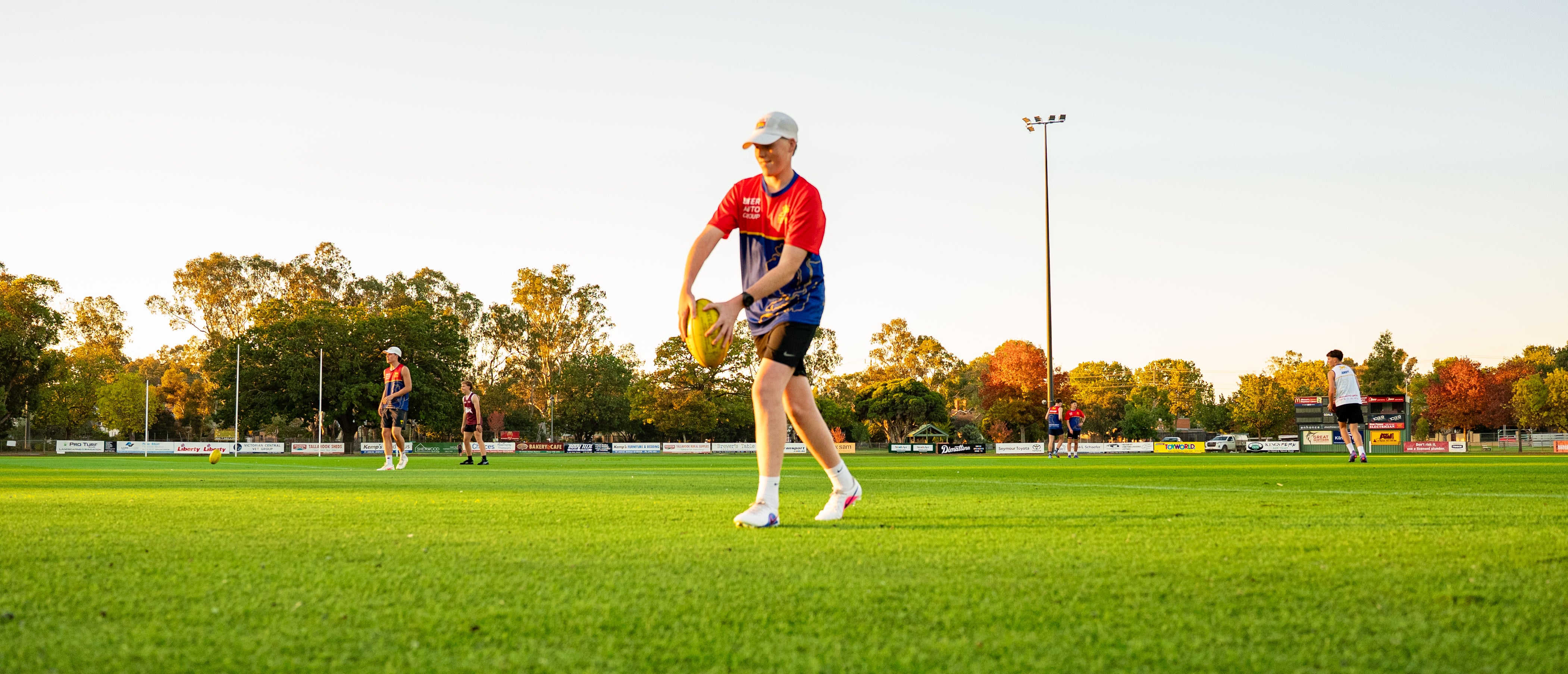
The final siren sounds, the footy boots are packed away and the cricket gear starts coming out. But while the sporting calendar is changing, the work on the oval is far from over.
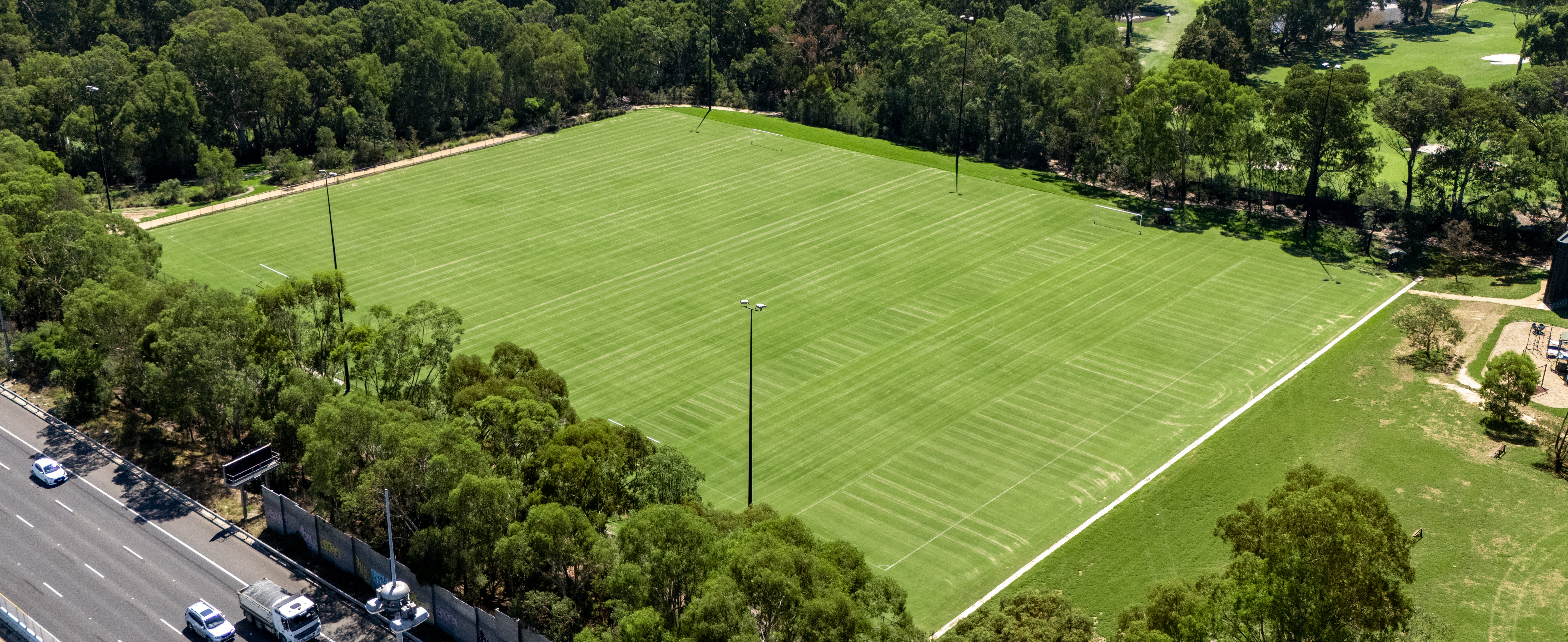
Across Victoria, many sporting grounds need to transition from one high-use season to another, often with only a short window between the last footy game and the first cricket match. And while both sports demand a durable, high-performing surface, the way they use the ground can be very different.
So, what actually happens to a turf surface when it goes from footy to cricket?
Footy Leaves Its Mark
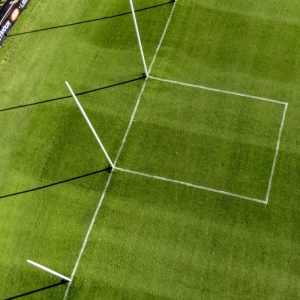
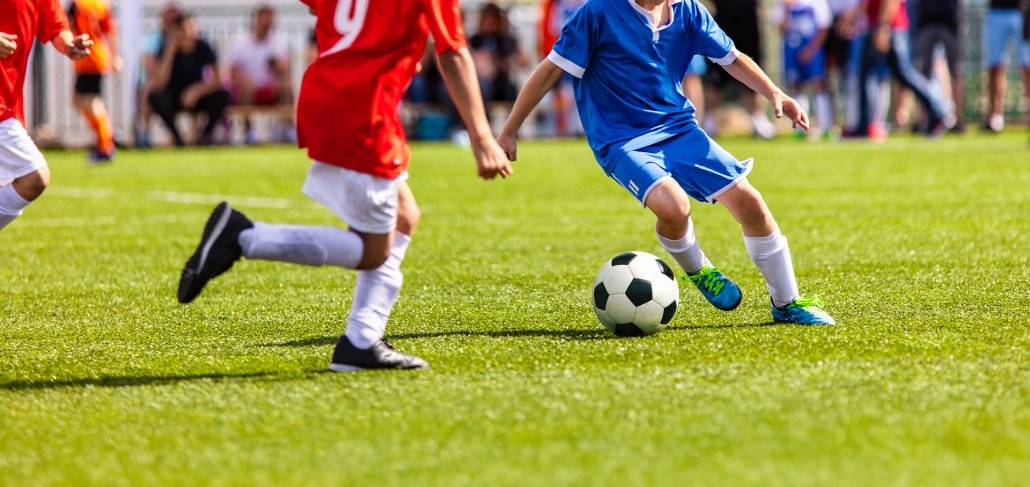
Football can be tough on a playing surface. Week after week of training and match play means repeated foot traffic, sharp changes of direction, tackles, divots and concentrated wear.
Add wet winter conditions into the mix and the pressure on the turf increases. Saturated soils can be more vulnerable to compaction and surface damage, while high-traffic areas may struggle to recover between games.
By the end of the season, the condition of the oval can vary significantly across the field.
Goal mouths, centre corridors, interchange areas and other heavily trafficked zones can show more wear than lower-use areas. You may see thinning turf, exposed soil, divots or uneven sections where the surface has taken a beating.
And that’s where the transition to cricket becomes important.
Cricket Changes the Game
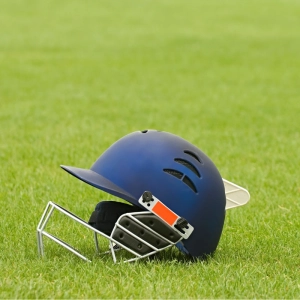
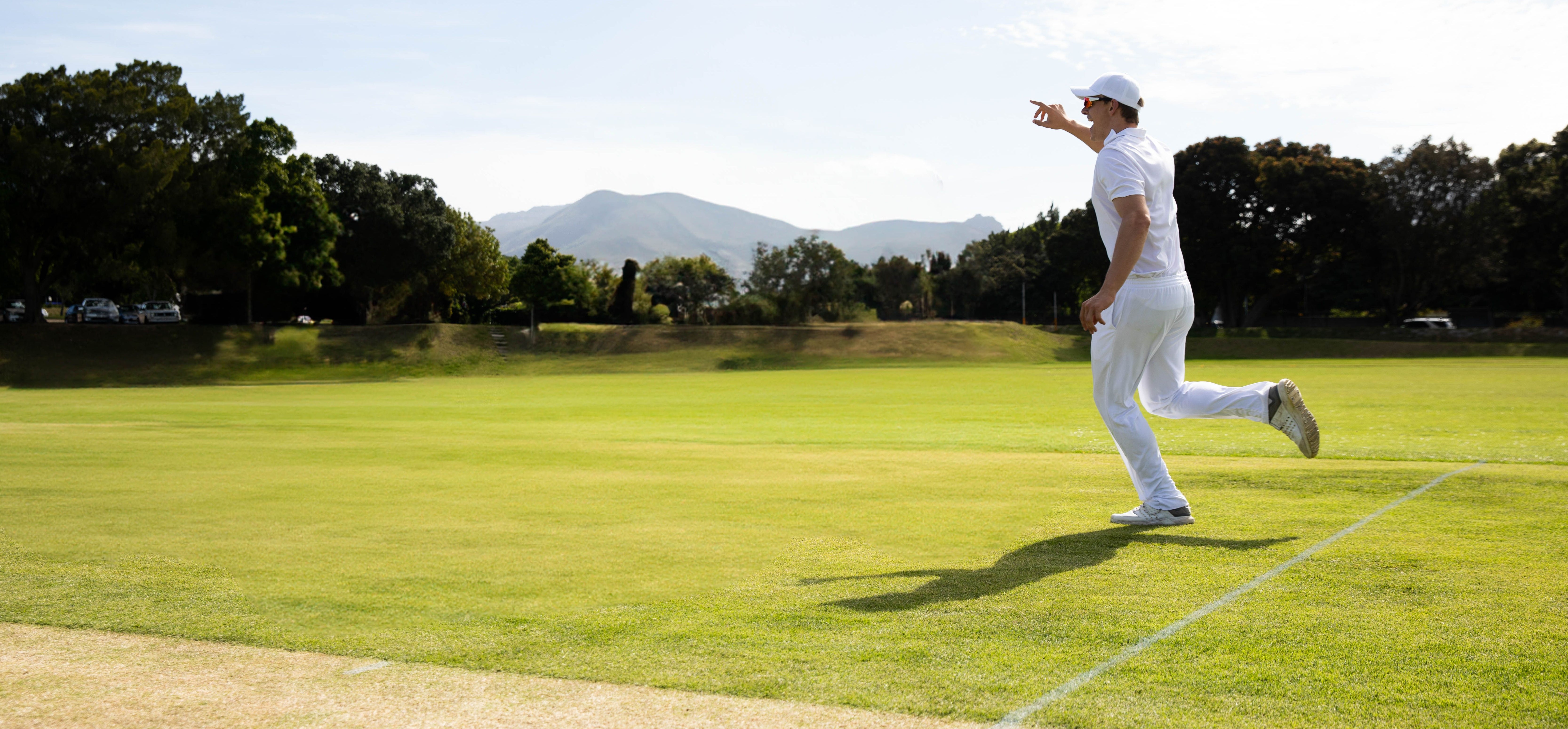
Cricket places a different set of demands on a sporting surface.
Rather than the broad, repeated traffic associated with football, cricket creates more concentrated wear around areas such as the wicket, bowler’s run-up and other high-use zones.
The outfield also needs to provide a consistent, stable surface that allows players to move safely and the ball to travel predictably.
For grounds managers, that means the surface can’t simply be left to recover on its own after footy finishes. The condition of the turf needs to be assessed with the next season in mind.
One Surface, Multiple Sports
The challenge of transitioning between football and cricket isn’t unique to community sporting grounds. At major venues, the demands of multiple sporting codes have led to some pretty clever turf solutions.
Take the MCG.
Rather than having a permanent cricket wicket sitting in the middle of a football field, the wickets can be prepared away from the playing surface, transported into position for cricket and then removed when the venue needs to return to football.
It’s a very different scale to a local sporting oval, but the principle is the same: one ground can need to perform for multiple sports, and the surface needs to be designed and managed with that in mind.
You can read more about how the MCG’s drop-in wickets work in our story, Ever Wondered How They Place the Pitch at the MCG?.
The Transition Period Is an Opportunity
The gap between sporting seasons is a valuable window to identify where the surface needs attention.
Depending on the condition of the ground, recovery work may involve addressing compacted areas, repairing damaged turf, improving surface levels, managing drainage or replacing sections that have experienced significant wear.
It’s also a chance to look beyond what the surface looks like on the day.
A field can appear green while still carrying underlying issues from a long season of use. Turf density, root development, soil condition and surface stability all contribute to how well the ground performs once the next season begins.
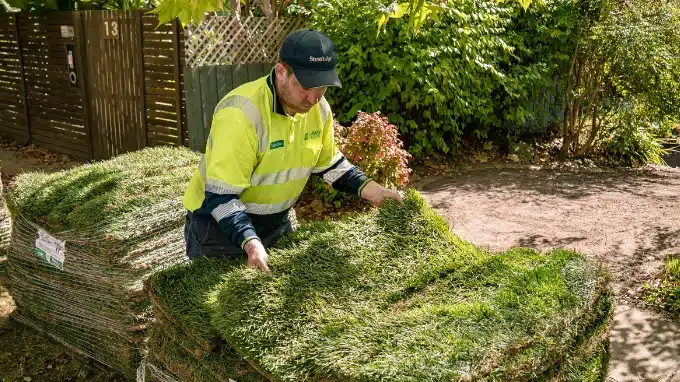
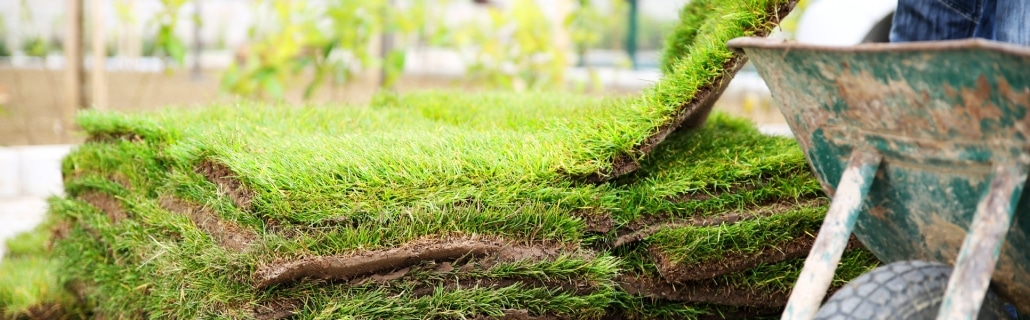
For severely worn areas, instant turf can also provide a practical way to reinstate coverage quickly, rather than waiting for slower establishment from exisiting turf remnants.
Turf Selection Matters Across the Sporting Calendar
The turf variety underneath a sporting surface can have a big impact on how it responds to a full year of use.
Different varieties bring different strengths when it comes to wear tolerance, recovery, mowing height, seasonal growth and water requirements. That’s why turf selection needs to consider more than just the sport being played on the surface. It needs to consider the entire sporting calendar.
For winter-heavy sporting environments, Eureka Premium VG Kikuyu is well known for its vigorous growth and ability to recover quickly from heavy use. Its aggressive lateral growth makes it particularly suited to sporting grounds that need to bounce back from repeated traffic and wear.
TifTuf Hybrid Bermuda brings another set of performance characteristics to the field. Its high wear tolerance, rapid recovery and ability to perform under low mowing make it a strong option for demanding sporting surfaces, including football and cricket applications.
Nullarbor Couch is another traditional sporting turf option, particularly for full-sun environments. Its fine leaf, wear tolerance and ability to recover during the growing season have made it a long-standing choice for Australian sports fields.
For cricket specifically, turf selection can also vary between the wicket and outfield. Fine-leafed Couch varieties and TifTuf can be used in demanding cricket applications where density, wear tolerance and low mowing are important, while Eureka Premium VG Kikuyu can provide a robust option for high-wear outfield and training areas.
For a closer look at how Eureka Premium Kikuyu VG and TifTuf compare in sporting applications, take a look at our story, Eureka Premium Kikuyu vs TifTuf: Choosing the Right Surface for High-Performance Sporting Grounds.
One Oval, Two Seasons, Different Demands
The transition from footy to cricket isn’t just a change in fixtures or line markings. It’s a change in how the surface will be used, where wear will occur and what the turf needs to deliver.
That’s why the end of the football season is an important time to look at the ground as a whole.
Where has the turf taken the most punishment? Are there areas that haven’t recovered properly? Is the surface compacted or uneven? Does the turf variety suit the demands of the coming season?
Answering these questions early gives grounds managers more opportunity to address issues before they’re under pressure to get the field ready for the next sport.
Building a Surface That Performs Season After Season
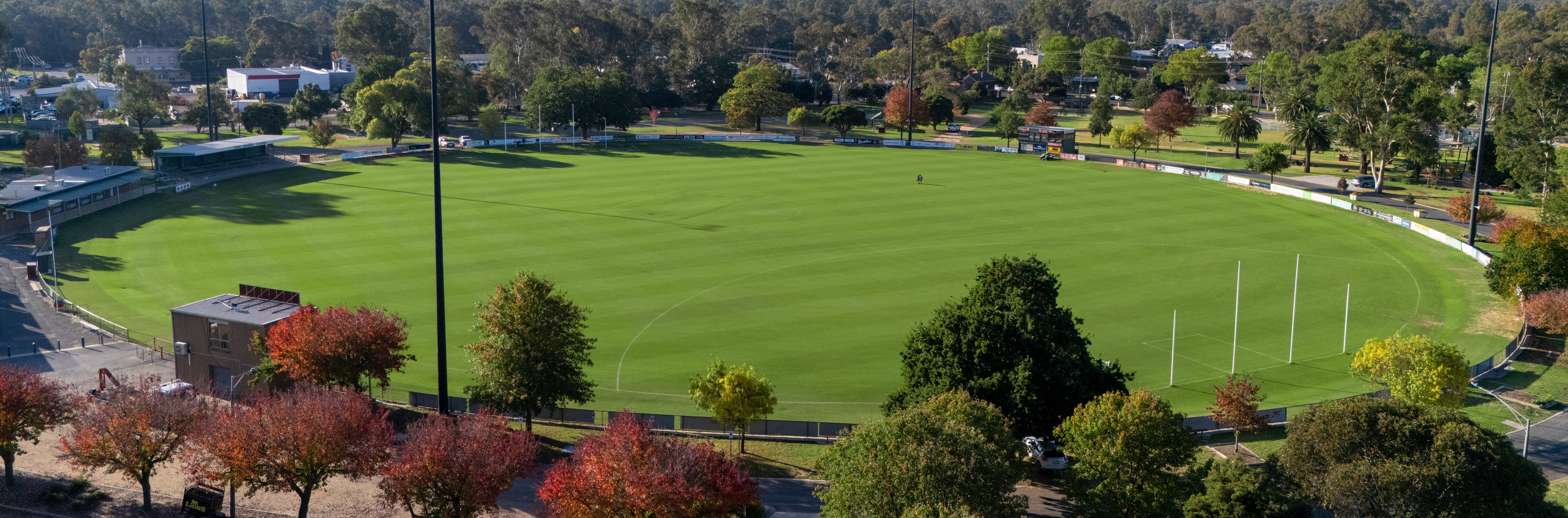
A sporting oval doesn’t get a reset when the final footy siren sounds. The condition it finishes one season in can have a direct impact on how it performs through the next.
With the right turf variety, preparation and recovery strategy, the transition between sporting codes can be an opportunity to repair, improve and prepare the surface for what’s coming next.
From community sporting ovals through to some of Australia’s most recognisable sporting venues, StrathAyr has experience supplying turf for surfaces that need to perform under demanding conditions.
Our team supplies a range of commercial turf varieties for sporting fields across Victoria and can help identify a turf solution suited to your site, sporting calendar and level of use.