Get a FREE Quote - Call 1800 622 455
StrathAyr
  • Home
  • Grass Types
    • HELP ME CHOOSE
    • RTF Tall Fescue Turf
    • TifTuf Hybrid Bermuda
    • Sir Walter Buffalo Turf
    • Sir Grange Zoysia
    • Eureka Premium VG Kikuyu
    • Nullarbor Couch
  • Prepare
  • Shop
  • Commercial
    • Landscape Turf
    • Sports Turf
    • Turf for Cricket
    • Turf for Football
    • Turf for Soccer
  • Blog
  • Care
  • Case Studies
  • Contact
    • Contact
    • Community Sponsorship
    • Ballarat
    • Geelong
    • Mornington Peninsula
    • Shepparton
  • Free Quote
  • Search
  • Menu Menu
  • 0Shopping Cart

A Complete Guide to Watering & Irrigation

Blog, Residential

A Complete Guide to Watering & Irrigation

A healthy lawn relies on water; we are all aware of this. But when that lawn is expected to deliver for every backyard cricket match in the summer and every winter footy practice, the right watering strategy is essential.

More water doesn’t always equate to a thriving lawn, which is why we have developed the StrathAyr guide to irrigation and watering practices. We are here to ensure your lawn stays strong, sustainable and radiant all year round so that your lawn is always the best looking lawn on the street.

Watering Strategy

Just like us, lawns need water to thrive, and they also benefit from proper routines. To ensure your lawn is more resilient to heat, dry spells, pests and disease, we recommend watering deeply. This encourages turf roots to grow further down into the soil, where the moisture stays longer, and temperatures remain more stable.

Conversely, frequent shallow watering teaches roots to remain near the surface, leaving them vulnerable to drought and temperature fluctuations. The goal is deep, infrequent watering that trains your lawn to be self-sufficient and strong. After all, your playing surface is another important member of your team!

Establishing New Turf 

If you’ve recently installed your new StrathAyr lawn, consistent watering is vital to its success. Turf is a perishable product that must be watered as soon as it’s laid. This helps the slabs knit into the soil and begin forming deep root systems that will sustain your lawn for years, ensuring it remains durable and perfected for play.

During the establishment phase, water two to three times daily for the first fourteen days, increasing frequency during extreme heat. From weeks three to four, reduce to once daily as roots begin to establish. After four weeks, shift to deep watering two to three times per week.

Always water enough that you are soaking through the surface, to ensure the soil beneath the slabs stays damp. You can check this by gently lifting a corner of the turf to assess soil moisture.

Choosing the Right Irrigation System 

The best irrigation system delivers even coverage with minimal waste; however, it will also depend on whether you are watering a golf course or a community park. We have gathered the options here, so you can make an informed decision:

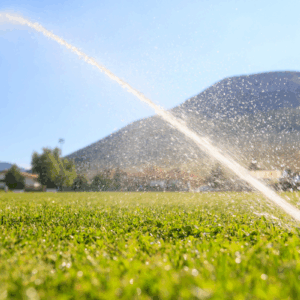
Pop-Up Systems work ideally for permanent lawns and can be set on timers for consistent watering. Ensure heads are properly adjusted to avoid wasteful overspray onto paths, fences or other non-target areas. This is a popular choice for sporting fields and parks across Victoria, ideally installed prior to turf being laid.

Sprinkler Systems offer versatility for most lawns. Choose sprinklers that produce larger droplets to reduce evaporation, and schedule early-morning watering to maximise efficiency and make every drop count. You will often see these on lawn tennis courts.

Drip Irrigation provides highly water-efficient delivery, especially for irregular-shaped lawns or garden beds adjoining turf. Drip systems deliver water directly to the root zone, minimising both evaporation and runoff.

Combining a smart irrigation controller or timer with rain sensors to adjust watering based on weather conditions automatically can be a very efficient approach, with this simple addition saving time and water while ensuring your lawn receives exactly what it needs.

Optimal Watering Times

Between the hours of 5 am and 10 am is the most effective time to water your lawn, as the cool, calm air allows moisture to soak deep into the soil and reduces the risk of loss through evaporation. We suggest avoiding watering late at night, as prolonged dampness can encourage fungal problems, particularly in humid weather conditions.

Water Smart, Grow Strong, Game On

The right irrigation technique and routine won’t just conserve water; it will build a better, more resilient lawn for your home. At StrathAyr, we’re committed to helping you create thriving green spaces for every occasion and every season.

Our meticulous attention to detail in every aspect of production and delivery, ensures you receive premium quality turf built to endure.

For personalised advice on irrigation systems, water requirements or variety selection, reach out to the team at StrathAyr. We are here to ensure your lawn is perfected for play, all year round.

Call us on 1800 622 455 or visit strathayr.com 

November 25, 2025/by Belle Plunkett
https://strathayr.com/wp-content/uploads/2025/11/WordPress-Images-16-1.png 800 1200 Belle Plunkett https://strathayr.com/wp-content/uploads/2025/10/StrathAyr-Logo-300x138.png Belle Plunkett2025-11-25 07:40:342025-12-16 20:27:09A Complete Guide to Watering & Irrigation

Best Turf for Shade

Blog

Best Shade-Tolerant Grass for Low-Light Lawns

A lush, green lawn can transform any backyard into an inviting oasis, but what happens when overarching trees, neighbouring buildings or the orientation of your house casts persistent shade? Many Victorian homeowners find their dreams of a healthy lawn challenged by low-light conditions. While all plants need sunlight, some turf types can thrive with surprisingly little. This means a shady spot doesn’t automatically rule out growing grass altogether. The key is choosing the right turf, specifically, shade-tolerant varieties designed to perform well even with limited sunlight.

This guide helps you see the sunny side of a shady yard. From choosing the right shade-tolerant turf to getting the most out of it. We’ll show you how to grow a lush shade-tolerant lawn, even in low light.

Shortlisting The Best Shade-Tolerant Grass Types

Selecting the right lawn variety is critical to the success of shaded lawns. While no grass will flourish in constant deep shade, several cultivars are specifically adapted to perform admirably in Victorian gardens where sunlight is at a premium.

Sir Walter Buffalo Grass

Sir Walter Buffalo is hands-down one of the best-performing warm-season grasses in lower light conditions. With its broad leaf and tight growth habit, this DNA-Certified shade-resistant turf can handle up to 70% shade while keeping its deep green colour. It’s an Aussie-bred variety developed to cope with our local conditions. This means it’s not made just for shade. Turf with the Sir Walter DNA-certified mark also offers very good drought tolerance and low-maintenance requirements. Whether it’s a courtyard that only gets a few hours of sun or a backyard with scattered tree cover, Sir Walter saves the day in many shady situations, giving you a lovely, lush lawn even without ample direct sunlight.

TifTuf Bermuda

If your shaded space still gets a decent dose of filtered or partial sunlight, TifTuf Bermuda could be the right choice. TifTuf’s fine texture, superbly drought-tolerant nature and quick green-up during the warmer months make it a tough performer. Add in high shade tolerance with as little as 4 hours of direct sunlight per day, and it’s a strong contender for those seeking a fine-leaf look for shaded areas.

RTF Tall Fescue

An excellent cool-season choice for challenging shady areas in Victoria, RTF Tall Fescue boasts strong shade tolerance. Though it thrives with more light, RTF is a strong performer in areas with just 3–4 hours of sun. Self-repairing rhizomes provide highly resistant wear tolerance compared to older fescues, while their deep root system aids persistence. This grass stays green longer through cooler months, offering turf cover where warm-season grasses often struggle with low light.

Understanding Shade Levels and Types

When assessing your site, it’s important to understand how much shade and the profile of light you’re dealing with. Not all shade is created equal, and the amount and type of light your lawn receives will significantly influence your choice of turf and its potential for success.

  • Full Sun – Areas that receive 6 or more hours of direct sunlight per day. These conditions are ideal – and often essential – for sun-loving grasses. Even shade-tolerant varieties will generally thrive in full sun, provided they’re well watered and protected from extreme heat.
  • Partial Shade / Dappled Sunlight – These spots might get 3-6 hours of direct sun daily, or consistent, filtered light (such as the patchwork light from high, open tree canopies) for much of the day. Many shade-tolerant varieties can perform well here.
  • Moderate to High Shade – Areas receiving only 2-3 hours of direct sunlight, or predominantly indirect sunlight or very filtered light. This is where only the most shade-tolerant grass types have a chance.
  • Deep Shade / Low Light – Areas receiving less than 2 hours of direct sun, or constant heavy shade from dense trees or structures. Growing grass here is extremely challenging, and often, alternative landscaping solutions might be better.

It’s always smart to increase light levels wherever possible. One of the easiest ways to do this is by trimming back trees and shrubs that are blocking sunlight. You might be surprised at what a difference a few hours with a pair of secateurs or hedge clippers can make. Pruning foliage and removing a few low-hanging branches really is the low-hanging fruit of DIY shade reduction!

Measuring Hours of Direct Sunlight

To choose the right turf, observe your lawn at different times of the day and, if possible, throughout different seasons (as the sun’s angle changes during summer and winter). Note which areas get direct sun and for how long. Try using sun tracking apps or online tools to visualise sunlight across your lawn throughout the year. This can be helpful when selecting the right lawn type and understanding seasonal changes in light exposure.

Can Grass Grow Without Direct Sun?

All living plants need sunlight, but like indoor plants, some grass types can thrive on much less than others. Shade-tolerant varieties often achieve this through adaptations like broader, thinner leaves designed to more efficiently absorb sunlight to create energy to grow via photosynthesis. However, without sufficient light, your lawn has limited potential for healthy growth and can face a range of other issues:

  • Reduced Photosynthesis – Less energy leads to weaker growth, thinner grass blades, and less dense turf.
  • Elongated Growth – Grass may stretch (“get leggy”) searching for light, becoming weaker and more prone to disease. For fine-textured grasses like TifTuf, frequent mowing with a reel mower can help prevent this.
  • Increased Moisture Retention – Shady areas tend to stay damp longer, encouraging fungal diseases and moss growth. Proper maintenance, including aeration and cultivating sandy soil prior to laying the turf, can help mitigate this.
  • Reduced Wear Tolerance – Even shade-tolerant grasses handle foot traffic less effectively and recover more slowly in low-light conditions compared to full sun. If possible, it’s best to plan your garden design to avoid shady parts of the lawn becoming high-wear areas.

As a rule of thumb, most lawns need at least 3-4 hours of direct sunlight daily (or significantly more consistent dappled sunlight) to maintain reasonable health. Consistently less than this makes growing grass successfully very difficult.

Conclusion

A shady site doesn’t have to mean a lawn is off-limits. By choosing the right turf, preparing your site and planning your layout, you give yourself the best chance of a successful shaded lawn.

Want more guidance? Call us on 1800 622 455 to chat with an expert or get a free quote.

Best Shade-Tolerant Grass FAQs

How do shaded lawns handle foot traffic?

Low-light lawns, even those featuring shade-tolerant grass types, generally handle foot traffic less effectively than those grown in full sun. Reduced sunlight means less energy for growth and repair, so it’s a good idea to avoid high traffic or activity in shadier zones.

How much light is really needed for shade-tolerant grass to grow?

The amount of light needed can vary depending on several factors, including the specific shade-tolerant grass type, the intensity of the light (e.g., morning sun vs. harsh afternoon sun), and overall lawn health. While some shade-tolerant varieties like Sir Walter Buffalo can manage with as little as 3-4 hours of sunlight or steady filtered/partial sunlight, most will perform better with a bit more. Be realistic about your light levels – no grass can flourish in full, constant shade.

Do shaded lawns need extra nutrients or different soil?

Turf living with significant shade can sometimes benefit from extra nutrients, but it’s more about balanced feeding rather than simply adding more fertiliser. Because growth is slower in shade, over-fertilising can be detrimental. Good soil preparation is key; a well-draining soil, perhaps amended with organic matter if it’s heavy clay or very sandy soil, helps roots thrive. Consider a soil test to check for any deficiencies. Always follow expert advice for fertilising shade-tolerant lawns.

How shade-tolerant are Zoysia grasses?

Zoysias are known for developing good shade tolerance, making them a popular choice for tricky lawns. While common varieties like Empire Zoysia can struggle to maintain density in lower light, Sir Grange Zoysia is the standout performer for long-term shade resilience once fully established. Initial sun exposure during the first few months is essential for developing the strong, deep root system required to later thrive with limited sunlight.

How do I manage weeds in shady areas?

Weeds can more easily gain a foothold in shaded lawns due to thinner grass. Maintaining a healthy lawn is the best defence: mow slightly higher in shade, water carefully to avoid constant dampness, and feed appropriately without overdoing it. Address existing weeds promptly through hand-pulling or careful spot-spraying with a suitable herbicide, particularly during spring and summer.

Are native grasses a good option for shady lawns?

Australian native grasses such as the Lomandra species (native to all Australia except Western Australia and the Northern Territory) and Kangaroo Grass (endemic to South Australia) are well-adapted locally, support fauna, and suit low-maintenance garden beds, with some tolerating shade.

However, for covering larger areas where a dense, resilient lawn is needed, specially bred shade-tolerant turf varieties are generally the better option. Native grasses typically have coarser blades and grow in clumps rather than spreading laterally. If you’re after a soft, consistent lawn that can handle foot traffic, a dedicated turf grass species is the way to go.

November 22, 2025/by Jack McDonald
https://strathayr.com/wp-content/uploads/2024/08/RTF-Tall-Fescue-StrathAyr-Farm-Tree-stump-removal-scaled.jpg 1536 2048 Jack McDonald https://strathayr.com/wp-content/uploads/2025/10/StrathAyr-Logo-300x138.png Jack McDonald2025-11-22 16:33:022026-01-22 11:38:31Best Turf for Shade

Drought-Tolerant Lawns for Summer

Blog, Residential, Uncategorized

Drought-Tolerant Lawns for Summer 

We all know that Australian summers can be unforgiving. Scorching sun, water restrictions and unpredictable rainfall conspire to test lawns across the country. That doesn’t mean you must sacrifice the dream of a lush, green lawn where memories are made. 

At StrathAyr, our specialty is turf varieties that are bred to thrive in dry conditions, while remaining soft underfoot and beautiful year-round. If you’re seeking the best drought-tolerant turf for Victoria, here’s why these standout varieties deliver exceptional performance when water is scarce. 

Sir Walter DNA Certified Buffalo 

Developed specifically for Australian conditions, Sir Walter DNA Certified Buffalo is engineered to excel in harsh climates year-round, from frosty winters to dry, hot summers. This soft-leaf buffalo is tough yet plush, creating a velvety surface that invites barefoot walks and backyard play. Its dense, broad leaves shade the soil naturally, slowing evaporation and locking in valuable moisture. 

Why Sir Walter Excels in Drought 

Sir Walter’s deep root system reaches moisture further down in the soil profile, accessing water reserves that shallow-rooted grasses cannot reach. Its dense growth habit acts like natural mulch, reducing water loss through evaporation. The variety thrives brilliantly in full sun but handles partial shade with equal competence, making it remarkably versatile for varied landscapes. Its self-repairing characteristics mean it recovers quickly from wear or heat stress. 

Once established, Sir Walter demonstrates exceptional water efficiency and resilience. It’s perfect for family backyards where children play cricket, shaded courtyards where parents unwind, and high-traffic areas where life happens. For DIY homeowners and tradespeople servicing family homes, Sir Walter represents the ideal choice: a lawn that’s easy to install, simple to maintain and built to last. 

Imagine laying this soft-leaf turf yourself, watching it knit into the soil and flourish into a sparkling green space where family and friends gather.  

Eureka Premium

When the mercury rises and water restrictions bite, Eureka Premium Kikuyu comes into its own as one of Australia’s most drought-tolerant lawn solutions.

This premium variety has been specifically bred to develop an exceptionally deep and vigorous root system that can reach moisture reserves well below the surface, meaning your lawn keeps its lush green colour even when neighbouring lawns are turning brown. Unlike thirstier grass varieties that demand constant watering through the summer months, Eureka Premium’s efficient water usage means it can bounce back quickly from dry spells with just a fraction of the irrigation, making it an ideal choice for water-conscious households and areas facing seasonal restrictions. Its natural heat tolerance and ability to self-repair through aggressive lateral growth means that even during Australia’s harshest summers, your lawn maintains the kind of density and colour that makes it the envy of the street – all while keeping your water bills in check.

TifTuf: The Water-Wise Wonder

If you’re seeking a fine-leafed lawn that handles heat with remarkable resilience, TifTuf remains the unbeatable option. 

TifTuf is the first turf grass in Australia to receive the Smart Drop Certification, meaning it’s proven to use up to 38 percent less water than other turf varieties while maintaining excellent colour and coverage year-round.  

Why TifTuf Leads in Water Efficiency 

Developed from evaluating 30,000 couch varieties, TifTuf represents the pinnacle of drought-resistant turf breeding. Its fine leaves and dense coverage minimise water loss through evaporation. High wear tolerance makes it perfect for active backyards and sports areas. Quick recovery and self-repairing growth habits make it incredibly resilient. 

Once established, TifTuf can survive extended dry periods without losing its vibrant green colour. It’s tough, attractive and built for the unpredictable extremes of Victorian summers, staying fresh and play-ready even when conditions challenge. 

Establishing Drought-Tolerant Turf Successfully 

Even the toughest lawns need the right foundation. Here’s how to help your new turf develop water-smart characteristics and flourish for years to come: 

  • Prepare your soil thoroughly before laying.
  • Use a soil conditioner or wetting agent like Amgrow Wettasoil to improve moisture retention, particularly in sandy or water-repellent soils.
  • Install irrigation efficiently, watering deeply and less frequently to encourage deeper root development.
  • Apply LSA Lawn Launcher when installing your turf to promote rapid root establishment, and top up with Exceed Liquid Fertiliser during the first summer for extra stress resistance.
  • Mow at a slightly higher setting; keeping your grass a bit longer helps shade the soil and prevent evaporation. 

With proper care through the establishment phase, StrathAyr’s turf varieties will continue to thrive even through long, hot, dry periods.  

At StrathAyr, we’re committed to supplying lawns that suit all lifestyles, even during the toughest seasons. GAME ON.  

Contact the team today at strathayr.com or 1800 622 455  

November 19, 2025/by Belle Plunkett
https://strathayr.com/wp-content/uploads/2024/07/DSC07426.jpg 1334 2000 Belle Plunkett https://strathayr.com/wp-content/uploads/2025/10/StrathAyr-Logo-300x138.png Belle Plunkett2025-11-19 12:37:522026-01-08 08:43:08Drought-Tolerant Lawns for Summer

Laying a new lawn in Summer

Blog, Residential

Laying a new lawn in Summer

When the weather heats up, most people think of winding down. But at StrathAyr, we know that it’s also the perfect time for projects to get underway! Whether it’s a local park revamp or your backyard, with the right preparation and watering routine, turf laid in the warmer months can establish faster, greener and stronger than ever. 

Here’s why you should take advantage of the season and get your new lawn thriving this summer. 

Warm weather means rapid root growth 

Turf loves warmth, especially varieties like Sir Walter DNA Certified Buffalo and TifTuf Bermuda, which thrive in the Australian climate. The warmer soil temperatures in summer encourage quick root establishment, helping your turf settle in faster and start spreading sooner. Unlike cooler months when growth can slow down, summer gives your new lawn a head start, so it’s well established before the chill of winter sets in. 

More sunlight means stronger turf 

Sunshine is your new lawn’s best friend. The longer daylight hours of summer help turf produce more energy through photosynthesis, which promotes lush green colour and strong, dense coverage. If you’re working with a patch that’s been looking a little tired or uneven, summer’s sunlight can help your new lawn bounce back quickly, which is perfect timing for outdoor entertaining season! 

Easier to keep moisture consistent

While summer can bring hotter, drier conditions, modern turf varieties are designed to handle it. By following a consistent watering schedule during the first few weeks, your turf will establish deep, healthy roots that make it more drought-tolerant in the long run. Installing an irrigation system or using a smart timer can make watering easy and efficient, ensuring your new lawn gets exactly what it needs to thrive. 

Instant transformation for outdoor living 

There’s no better time to enjoy a beautiful green lawn than summer. Installing turf now means you can enjoy instant results; you’ll have a lush, soft surface for barbecues in the park, family games in the backyard, and relaxing afternoons outdoors before you know it.  

Summer turf care made simple

With a few simple steps, your summer-laid lawn will flourish. Lay on moist soil and water immediately after installation. Keep the surface damp for the first 2–3 weeks while roots establish. Mow lightly once the turf is well rooted and avoid cutting it too short. Fertilise early in the growing season to encourage strong growth and colour. 

At StrathAyr, we grow turf varieties suited to Australia’s warm, dry conditions, perfected for play all year round.

To find out more about making the most of summertime, contact the team at strathayr.com or 1800 622 455. 

November 17, 2025/by Belle Plunkett
https://strathayr.com/wp-content/uploads/2025/08/DSC08439.webp 797 1200 Belle Plunkett https://strathayr.com/wp-content/uploads/2025/10/StrathAyr-Logo-300x138.png Belle Plunkett2025-11-17 12:22:552025-11-20 17:06:57Laying a new lawn in Summer

The History of TifTuf: A Turf Built to Thrive  

Blog, Residential

The History of TifTuf: A Turf Built to Thrive  

When it comes to tough, good-looking lawns that can handle the Australian climate, TifTuf Hybrid Bermuda is a standout performer. Engineered for peak playability and designed to thrive under pressure, TifTuf has become the benchmark for modern, water-efficient turf. Let’s take a look at the fascinating history behind this world-class variety. 

From the labs of the University of Georgia 

TifTuf’s story begins at the University of Georgia’s Tifton Campus, a world-leading centre for turfgrass research. For over 25 years, scientists there have been developing & improving Bermuda grass varieties that deliver exceptional performance under tough conditions. After testing over 30,000 hybrid variations, one line stood out for its outstanding colour retention, fine leaf texture and remarkable drought tolerance. This became the variety we now know as TifTuf Hybrid Bermuda. 

Before making its way to Australia, TifTuf underwent rigorous field trials across the United States. Researchers evaluated how well it performed under stress: from heat and drought to heavy wear. The results were impressive, with TifTuf consistently able to maintain excellent colour and density with up to 38% less water than other couch grasses. These results led to TifTuf being the first grass in the world to receive the Smart Approved WaterMark, recognising its water efficiency and sustainability. 

A perfect fit for Australian conditions 

When TifTuf was introduced to Australia through the TurfBreed and Lawn Solutions Australia network, it was an instant hit with growers, landscapers and homeowners alike. Our climate can be punishing, but TifTuf’s drought tolerance, wear resistance and quick recovery make it a natural choice for Australian backyards, sports fields and commercial landscapes. Its fine leaf and bright green colour add instant appeal, while its ability to stay strong and healthy through long, hot summers makes maintenance easier and more sustainable. 

The benchmark for modern turf 

Today, TifTuf is recognised across the country as one of the most advanced turf varieties available. Its combination of beauty, durability and water efficiency reflects decades of scientific innovation. It’s now the benchmark for modern, environmentally conscious lawn care. TifTuf Bermuda is engineered for high wear, drought tolerance and sports performance, making it the go-to choice for sports fields and active families who demand stadium-worthy surfaces at home. 

At StrathAyr, we’re proud to grow and supply TifTuf Hybrid Bermuda, knowing it’s a turf that not only looks great but also performs brilliantly in the conditions we know best. Your lawn. Your lifestyle. GAME ON. 

November 14, 2025/by Belle Plunkett
https://strathayr.com/wp-content/uploads/2025/11/TifTuf-4.jpg 1367 2048 Belle Plunkett https://strathayr.com/wp-content/uploads/2025/10/StrathAyr-Logo-300x138.png Belle Plunkett2025-11-14 17:06:032025-11-20 17:06:02The History of TifTuf: A Turf Built to Thrive  

Guides on Installing Your Instant Lawn

  • Picture of RTF Tall Fescue GrassWatering Tips for Warm and Cool Season GrassesJune 7, 2025 - 6:24 pm
  • How heavy is a slab of natural turf?August 11, 2023 - 4:14 pm
  • VIDEO – LOOKING AFTER A NEW INSTANT LAWNMarch 8, 2019 - 6:38 am
  • VIDEO – SOIL PH LEVELS FOR A HEALTHY LAWNMarch 8, 2019 - 6:35 am
  • USING DOLOMITE LIME TO REDUCE SOIL ACIDITY FOR A HEALTHY LAWNMarch 8, 2019 - 6:31 am
  • Improving SoilIMPROVING SOIL STRUCTURE WITH GYPSUM FOR A LUSH LAWNMarch 8, 2019 - 6:17 am
  • Fresh turf in front gardenHOW TO LAY TURF PART 4: AFTERCAREMarch 8, 2019 - 6:10 am
  • Leaf blower blowing leavesAUTUMN LAWN CAREMarch 8, 2019 - 5:59 am
  • Fertiliser sprinkled on lawnCAN YOU OVER FERTILISE YOUR LAWN?March 8, 2019 - 5:53 am
  • Worm waste in grassGOT WORMS?March 8, 2019 - 5:44 am
Get a free quote
StratAyr Lawn Solutions

I’M READY TO BUY TURFCall 1800 622 455

Facebook Instagram Twitter LinkedIn YouTube

Privacy Policy Delivery Information Terms & Conditions

Scroll to top