
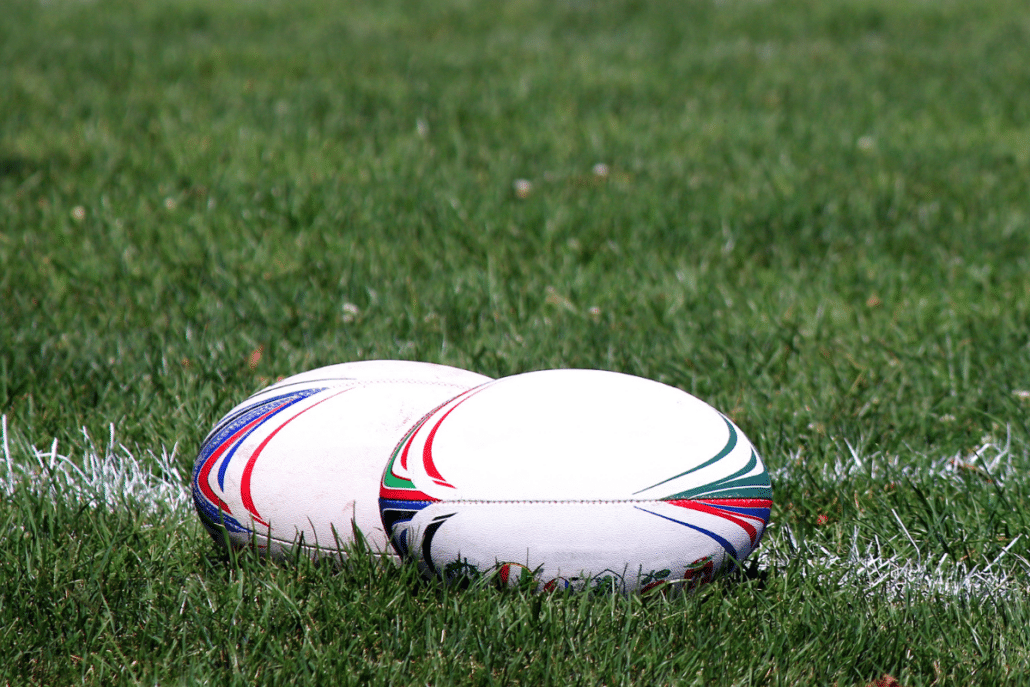
Winter presents a familiar challenge for councils and sports field managers: reduced turf growth, higher wear pressure, and limited recovery time between matches. Without proactive planning, fields can quickly deteriorate, leading to closures, cancelled fixtures, and increased rehabilitation costs. Not the legacy many sporting grounds want to leave!
The good news is that with the right preparation and turf management strategies, winter downtime can be significantly reduced, and StrathAyr are here to help with that.
Start With Autumn Preparation
Strong winter performance begins well before temperatures drop. Autumn is the ideal time to repair worn or bare areas, improve soil structure and drainage, and apply fertiliser to build root strength and carbohydrate reserves. Fields that enter winter in good condition are far more resilient to traffic and cold stress than those already under pressure. It might seem early, but now is a great time to get ahead and be prepared for what winter may bring.
Choose Turf That Performs Year-Round
Not all turf varieties respond the same way in winter. Selecting a variety with proven cool-season performance or strong transition capability can make a major difference to surface stability and recovery. For high-use community ovals, turf that offers better colour retention, reduced dormancy, and faster recovery once conditions improve can help keep fields playable for longer and significantly reduce closure periods.
This is where Eureka Premium Kikuyu is truly a cut above the rest. Known for being the surface of choice across winter sporting codes, its aggressive lateral growth and impressive ability to recover make it the go-to choice for grounds that cop a hammering during peak season. With the power to repair divots and scuff marks within days, and the ability to maintain colour and density when other varieties are starting to struggle, Eureka Premium has become the no-brainer for many sporting fields across the state.

Focus on Drainage and Surface Stability
Waterlogged fields are one of the biggest contributors to winter downtime. Poor drainage increases compaction, surface damage, and player safety risks. Plus, nobody likes getting wet socks in the middle of a footy match! Addressing low spots and uneven surfaces, improving sub-surface drainage where possible, and aerating to reduce compaction and improve infiltration are all key considerations. Even small drainage improvements can have a noticeable impact during wet winter periods.
Manage Wear Proactively
Winter recovery is slow, so managing wear becomes critical. Councils can extend field usability by rotating goal mouths and high-traffic areas, limiting training loads during peak wet periods, and using temporary rest zones or alternative surfaces where available. These measures reduce concentrated damage and help preserve turf cover through the season. While this may not be ideal, it will help to ensure the field is match-ready, all season.
Plan Repairs Early
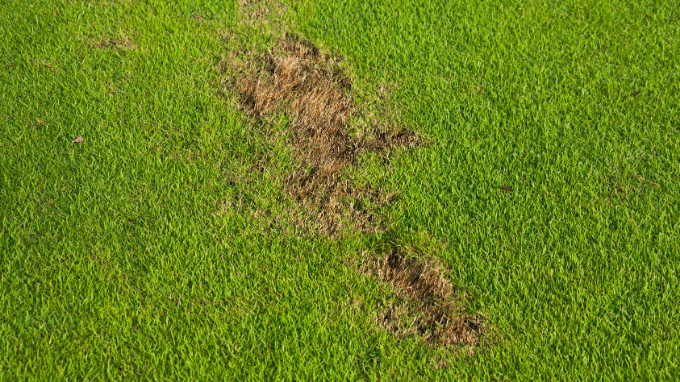
Waiting until spring to address winter damage often leads to longer recovery times and higher costs. Scheduling repair works as soon as conditions allow helps fields return to play faster and more consistently, and having turf supply and remediation plans in place before winter begins allows you to act quickly when windows of opportunity arise. This is where StrathAyr can become a valuable member of your squad. Getting in touch with our knowledgeable team during autumn to assist with the development of winter management and maintenance plans can be the difference between a season spent on the field or on the sidelines. We know where you’d rather be.
Keep Your Fields in Play
Reducing winter downtime isn’t about one single solution; it’s about preparation, turf selection, and proactive management. At StrathAyr, we work closely with councils and sports field managers to help keep community facilities open, safe, and resilient year-round.
If you’d like tailored advice on turf selection or winter field preparation, simply reach out to the team.
Because we care about your legacy. Game on.