Get a FREE Quote - Call 1800 622 455
StrathAyr
  • Home
  • Grass Types
    • HELP ME CHOOSE
    • RTF Tall Fescue Turf
    • TifTuf Hybrid Bermuda
    • Sir Walter Buffalo Turf
    • Sir Grange Zoysia
    • Eureka Premium VG Kikuyu
    • Nullarbor Couch
  • Prepare
  • Shop
  • Commercial
    • Landscape Turf
    • Sports Turf
    • Turf for Cricket
    • Turf for Football
    • Turf for Soccer
  • Blog
  • Care
  • Case Studies
  • Contact
    • Contact
    • Community Sponsorship
    • Ballarat
    • Geelong
    • Mornington Peninsula
    • Shepparton
  • Free Quote
  • Search
  • Menu Menu
  • 0Shopping Cart
Lawn Pests

Common Victorian Lawn Pests and How to Beat Them

Blog, Residential

A healthy, high-performing lawn is one of the most valuable features of any Victorian home. It cools your outdoor environment, adds to your property’s appeal and provides a functional surface for your family to enjoy across every season. But even the best-maintained lawns can come under pressure from pests, and knowing what to look for and how to respond is essential to protecting your investment in turf.

Victoria’s climate creates conditions that support a range of lawn pests, particularly through the warmer months when soil temperatures rise and insect activity increases. Most pest issues are entirely manageable when detected early, but left unchecked they can cause significant damage to turf health, density and appearance. Here’s what to watch for and how to keep your lawn performing at its best.

African Black Beetle

African Black Beetle is one of the most prevalent and damaging lawn pests across Victoria. The adult beetles are shiny, dark brown to black, and measure around 12 to 15 millimetres in length. You may spot them moving across paths or driveways on warm evenings, but it is the larvae that cause the real damage to your lawn.

The larvae, commonly referred to as curl grubs, are creamy-white, C-shaped grubs that live in the soil and feed directly on the root system of your turf. By severing the roots, they disconnect the grass from its ability to access water and nutrients, which means the damage often shows up as patches of lawn that look drought-stressed even when irrigation has been consistent. In more advanced infestations, the turf can be peeled back from the soil like a loose carpet because the root system has been almost entirely consumed.

One of the most reliable early indicators of curl grub activity is increased bird interest in your lawn. If you notice magpies, crows or other birds digging persistently into the turf, they are very likely feeding on grubs just beneath the surface.

The larval stage is most active through late summer and into autumn, and this is the optimal window for treatment. A targeted lawn grub insecticide applied according to the label directions and watered thoroughly into the soil will bring an active infestation under control. For long-term protection, applying a preventative grub treatment in early summer before larvae become established is one of the most effective strategies available. It is a relatively small input that can prevent significant turf damage and costly repair later in the season.

Lawn Armyworm

Armyworm is one of the more dramatic lawn pests you are likely to encounter in Victoria. The damage often appears to happen overnight, with large sections of lawn stripped back to bare stems or soil level in what seems like a single event. The caterpillars responsible are the larvae of a nondescript brown moth, and they tend to appear in large numbers after periods of warm, humid weather, particularly through late spring and summer.

The caterpillars themselves are smooth-bodied, grow to around 30 to 40 millimetres in length, and are identifiable by three pale stripes running along their back and sides. They feed on the leaf blade of the grass rather than the root system, and because they move in large groups, they can strip an area bare in a remarkably short period. Armyworm are predominantly night feeders, sheltering in the thatch layer or just below the soil surface during daylight hours, which is why the damage often seems to appear from nowhere.

A simple detection method is to pour a bucket of soapy water over a suspect area of lawn near the edge of the damage. If armyworm are present, the soapy water brings them to the surface within about ten minutes. This is best done at dusk when the caterpillars are becoming active.

Treatment involves applying a liquid insecticide to the leaf surface during the late afternoon, just before the caterpillars emerge to feed. Mowing the lawn beforehand helps ensure good contact between the product and the leaf, keeping in mind that repeat applications may be necessary over the following weeks if moth activity has been high and new eggs continue to hatch.

The positive aspect of armyworm damage is that it is largely cosmetic. Because the caterpillars feed on the leaf rather than the root, a lawn with a healthy root system will typically recover well once the pest has been eliminated. A deep watering followed by a light fertiliser application will support the turf through its recovery phase. Your backyard cricket pitch will be back in action in no time!

Scarab Beetle Grubs Including Argentine Scarab

While African Black Beetle receives the most attention, Victoria is home to several other scarab beetle species whose larvae behave in much the same way. The Argentine Scarab has become increasingly common across parts of Melbourne and regional Victoria in recent years and is worth being aware of.

Like African Black Beetle grubs, Argentine Scarab larvae are C-shaped curl grubs that live in the soil and feed on the root system of your turf. The symptoms mirror those of African Black Beetle infestation: browning patches that do not respond to watering, spongy or soft areas underfoot, turf that lifts easily from the soil, and elevated bird activity across the lawn. The key difference is that Argentine Scarab grubs tend to be slightly smaller and can sometimes appear in greater numbers, which means the damage can escalate rapidly if not addressed.

Treatment follows the same approach as for African Black Beetle larvae. A quality grub insecticide applied during the active larval stage and watered into the soil profile will reduce populations effectively. Maintaining a healthy, well-fed lawn also improves recovery, as turf with a strong root system is better equipped to tolerate and bounce back from root feeding damage.

Couch Mite

Couch Mite is a pest specific to couch grass varieties, and it can be a persistent challenge for Victorian homeowners who grow couch lawns. The mites themselves are microscopic and invisible to the naked eye, but the damage they produce is unmistakable. Infested grass develops a distinctive bunched or distorted growth pattern at the nodes, creating rosette-like tufts commonly described as a “witches’ broom” appearance that stands out clearly from the surrounding healthy turf.

Couch mite is one of the more difficult lawn pests to manage because chemical control options available to home gardeners are limited. The most effective defence is maintaining a vigorous, well-nourished lawn that can tolerate and outgrow minor infestations. Regular fertilising, consistent mowing and proper irrigation all contribute to a turf surface that is more resilient under mite pressure.

In cases where the infestation is severe and the affected areas are not recovering, removing and replacing the damaged turf may be the most practical solution. If couch mite is a recurring issue in your area, it is also worth considering whether an alternative turf variety might be a better long-term fit for your property. StrathAyr varieties such as Sir Walter DNA Certified Buffalo and TifTuf Hybrid Bermuda are not susceptible to couch mite and can deliver strong performance across a wide range of Victorian conditions.

Billbug

Billbug is a lesser-known pest in Victoria, but it can cause meaningful damage, particularly in buffalo and kikuyu lawns. The adults are small, dark weevils with a distinctive elongated snout, and they are easy to overlook because of their size. Small but mighty! It is the larvae, small creamy-white grubs that feed inside the grass stems and crown, that are responsible for the visible damage.

Billbug damage often mimics the appearance of drought stress or nutrient deficiency, which means it frequently goes undiagnosed for an extended period. A useful diagnostic technique is to pull on a brown or dying stem of grass. If it breaks away easily at the crown and you can see a fine, sawdust-like material called frass inside the stem, billbug is the likely cause.

Because the larvae feed inside the plant tissue rather than on the root system in the soil, they can be more difficult to reach with conventional surface-applied treatments. Systemic insecticides that are absorbed into the plant tend to be more effective, and timing the application to target young larvae before they have caused extensive internal damage is important for achieving good results.

Two-Spotted Mite

Also known as red spider mite, the two-spotted mite becomes particularly problematic during hot, dry conditions. These tiny mites feed by piercing individual grass cells and extracting the contents, which gives the lawn a silvery, bleached or washed-out appearance. In heavy infestations, fine webbing may be visible across the turf surface, especially in areas that are sheltered from wind.

Two-spotted mite thrives when turf is under stress from heat and insufficient moisture, which makes it a pest that is as much about management as it is about treatment. One of the most effective control strategies is also one of the simplest: maintaining a consistent, deep watering schedule during the warmer months. Turf that is well hydrated and not under drought stress is significantly less attractive to mite populations and far more resilient if they do appear.

If mite pressure is high and the lawn is showing clear symptoms, a targeted miticide can help reduce numbers. However, improving the growing conditions for your turf should always be the first priority, as this addresses the underlying vulnerability rather than just the symptom.

When to Seek Professional Advice

Most lawn pest issues can be managed effectively at home with the right products, correct application and timely action. However, if you are dealing with persistent problems that do not respond to treatment, widespread damage across a large area, or you are uncertain about the cause of your lawn’s decline, it is worth consulting a turf professional or your local garden centre for a more targeted diagnosis.

Misidentifying the pest or applying the wrong product can delay effective treatment and allow the problem to worsen. Getting an accurate diagnosis early ensures you are directing your time and investment toward a solution that will actually work. If you need a hand with this, the StrathAyr team are never more than an email or phone call away!

Maintaining a High-Performing Lawn Year-Round

The most effective long-term defence against lawn pests is a healthy, well-maintained turf surface. Regular mowing at the correct height, deep and infrequent watering, a consistent seasonal fertiliser program and prompt attention to early warning signs all contribute to a lawn that is more resilient under pest pressure and recovers faster when issues do arise. Prevention is always better than cure!

Victoria’s climate means pest activity is a normal part of lawn ownership, particularly through the warmer months. But with the right knowledge and a proactive approach to maintenance, there is no reason your lawn cannot deliver strong, consistent performance across every season.

At StrathAyr, we are committed to helping Victorian homeowners get the most from their turf. Whether you need guidance on variety selection, maintenance practices or managing a pest issue, our team is here to help.

February 25, 2026/by Belle Plunkett
https://strathayr.com/wp-content/uploads/2019/01/Lawn-Pests-1.jpg 180 180 Belle Plunkett https://strathayr.com/wp-content/uploads/2025/10/StrathAyr-Logo-300x138.png Belle Plunkett2026-02-25 12:18:072026-03-03 12:18:45Common Victorian Lawn Pests and How to Beat Them

The Top 10 Lawn Care Mistakes to Avoid

Blog, Residential

A well-maintained lawn is one of the hardest-working and most rewarding features of any property. It cools the surrounding environment, filters stormwater, adds value to your home and provides a functional outdoor surface for your family to enjoy year-round. But achieving consistent performance from your turf requires more than just occasional attention. Many of the most common lawn problems we see across Victoria can be traced back to a handful of avoidable mistakes.

Here are the ten lawn care errors that most frequently undermine turf performance, and what you can do to correct them.

Infrequent Mowing

Allowing your lawn to grow too long between mows is one of the fastest ways to compromise turf health. When grass is left to become overgrown and then cut back heavily, the plant loses a large proportion of its leaf area in a single pass. This places significant stress on the turf, reducing its ability to soak up the sunlight effectively, often resulting in a thin, weakened lawn.

The one-third rule is the most reliable guide. Never remove more than one-third of the leaf blade in any single mow. During Victoria’s warmer months, this may mean mowing weekly to keep pace with active growth, but through winter, when growth slows considerably, your mowing frequency can be reduced accordingly. Maintaining a consistent mowing schedule keeps the turf dense, promotes lateral growth and supports a healthier lawn overall. Exactly what we want in our backyards!

Compacted Soil

Soil compaction is one of the most overlooked factors in lawn performance. When the soil beneath your turf becomes compacted, it restricts the movement of water, air and nutrients through the profile, making it significantly harder for the grass to develop a strong root system. The result is a lawn that is more susceptible to drought stress, drainage problems, bare patches, weed invasion and fungal disease.

Compaction typically builds up over time through regular foot traffic, children’s play areas and pet activity, and it is accelerated by insufficient moisture in the soil. Aerating your lawn at least once a year with a garden fork or tyne aerator relieves compaction, improves drainage and allows the root zone to function the way it should. For best results, aerate heading into spring when the turf is entering its active growth phase. Thank us later!

Over-Fertilising

Fertiliser is essential to sustained turf performance, but applying too much creates more problems than it solves. Excess fertiliser drives rapid, soft leaf growth that the root system cannot support. The plant becomes weaker rather than stronger, and its ability to access water and nutrients is compromised.

There is also a chemical consequence. Fertilisers are composed primarily of mineral salts, and over-application causes salt accumulation in the soil profile. This inhibits the turf’s ability to absorb moisture, leading to dehydration, discolouration and, in severe cases, plant death. Just like chocolate, more is not always better!

The most effective approach is to follow a measured, seasonal fertiliser program using the application rates specified on the product. Always water the lawn thoroughly after fertilising to help move nutrients into the soil and reduce the risk of leaf burn. Consistent, moderate inputs across the year will always outperform a single heavy application.

Allowing Weeds to Establish

Weed incursion is a normal part of lawn ownership, but allowing weeds to go untreated gives them the opportunity to seed, spread and compete with your turf for water, nutrients and light. What starts as a few isolated weeds can quickly develop into a broader infestation that is far more difficult and costly to bring under control.

Early intervention is the most effective strategy. Treat weeds as they appear, before they have the chance to reproduce and colonise new areas. Beyond chemical control, maintaining a thick, vigorous lawn is your strongest long-term defence. Dense turf coverage leaves minimal space for weed seeds to germinate, so keeping your lawn well-fed, properly watered and mowed at the correct height creates conditions that naturally suppress weed establishment. Plus, a nice lush lawn looks better too, so its a win-win situation!

Incorrect Watering Practices

Watering is one of the most critical inputs for turf performance, and it is also one of the most frequently mismanaged. Two common errors account for the majority of watering-related lawn problems across Victoria.

The first is watering too frequently and too lightly. Shallow, daily watering encourages the root system to remain near the surface where moisture is readily available. This produces a lawn with poor drought tolerance and limited resilience during hot, dry periods. The more effective approach is to water deeply and less frequently, encouraging roots to grow down into the soil profile where moisture is retained for longer.

The second is watering at the wrong time of day. Late afternoon or evening irrigation leaves the turf surface damp overnight, creating ideal conditions for fungal disease to develop. Watering in the early morning allows the grass to absorb moisture before the heat of the day, while the leaf surface dries quickly as temperatures rise, reducing disease pressure. Just like that morning workout, it’s better to get it out of the way early!

Incorrect Product Application

Every lawn care product, whether it is a herbicide, insecticide, fertiliser or soil amendment, is formulated with specific application rates and usage instructions. Deviating from these specifications, whether by applying too much, too little, or at the wrong time, can render the product ineffective or cause direct damage to the turf.

Over-application of herbicides can burn the lawn. Under-application of insecticides may fail to control the target pest. Applying products in the heat of the day or to a stressed lawn can amplify negative effects. The principle is straightforward: read the label, follow the rates, and apply under the recommended conditions. If you are uncertain about a product or its suitability for your turf variety, consult the manufacturer or get in contact with the team at StrathAyr before application.

Insufficient Sunlight

All turf varieties require sunlight to photosynthesise and maintain healthy growth. When light levels fall below the minimum threshold for a given variety, the turf will progressively thin, lose colour and eventually fail. In Victoria, shade from mature trees, fences, buildings and other structures is a common factor in lawn decline.

Selecting a variety matched to the light conditions on your site is the single most important decision you can make. Sir Walter DNA Certified Buffalo is one of the most shade-tolerant warm-season varieties available, performing well with as little as two to three hours of direct sunlight per day. For properties in cooler climate zones or areas with heavier shade, RTF Tall Fescue delivers strong performance with as little as three hours of direct sun and maintains year-round colour through Victoria’s cooler months. If your lawn is struggling in a shaded area and you are unsure whether the variety is suited to the conditions, our team can help you assess the site and recommend the best path forward. In some very high-shade cases, we may suggest opting for a garden bed or a pathway instead.

Poor Drainage

Waterlogging is one of the most damaging conditions a lawn can be exposed to. When water sits on the surface or drains too slowly after rain, the root zone becomes saturated, oxygen levels drop and the turf is placed under serious stress. Fungal disease, root rot, weed proliferation and general turf decline are all common consequences of poor drainage, and in Victoria’s wetter months this is a particularly relevant concern.

If you notice water pooling on your lawn after rainfall, it is worth identifying the underlying cause. Soil compaction, localised low points in the yard, or a heavy clay soil type can all contribute to drainage issues. Aerating helps relieve compaction, topdressing with a quality sandy loam improves soil structure, and in some cases regrading may be necessary to redirect surface water. Addressing drainage early prevents far more costly turf failure down the track.

Blunt Mower Blades

The condition of your mower blades has a direct impact on turf health and appearance. Blunt blades do not cut cleanly. Instead, they tear the leaf tissue, leaving ragged edges that turn brown and create an uneven, discoloured surface. Torn leaf tips are also more vulnerable to disease entry, increasing the overall stress on the lawn.

Mower blades should be inspected at least twice a year. To do this, simply tilt the mower forward with the front wheels raised and examine the blade for cracks, bends, thinning or damage to the fin. If structural damage is present, the blade should be replaced. If the blade is in sound condition but has lost its edge, a sharpen will restore cutting performance. Clean, sharp cuts promote faster recovery after mowing and contribute to a denser, healthier turf surface. Much better for backyard cricket, if you ask us.

Incorrect Soil pH

If your lawn is underperforming despite consistent mowing, watering and fertilising, soil pH may be the limiting factor. pH measures the acidity or alkalinity of the soil, and most turf varieties perform optimally within a range of 6.0 to 7.5. When pH falls outside this range, the availability of key nutrients is reduced, which means the turf cannot access what it needs, regardless of how much fertiliser is applied.

Testing soil pH is a simple process. pH testing kits are readily available from hardware stores and nurseries, and the results will quickly indicate whether adjustment is needed. If the soil is too acidic, applying lime will raise the pH. If it is too alkaline, sulphur can be used to bring it down. It is a small but important step that can unlock significantly better performance from your lawn.

Building a Lawn That Performs

Most lawn care mistakes come down to either too much of something or not enough of something else. The fundamentals of a high-performing lawn are straightforward: mow consistently, water deeply, fertilise sensibly, and stay on top of issues before they escalate.

At StrathAyr, we believe every lawn should deliver lasting performance, not just in the weeks after installation but across every season for years to come. If you need guidance on variety selection, maintenance practices, or getting the best results from your turf, our team is here to help.

Your lawn, your legacy. Game on.

February 18, 2026/by Belle Plunkett
https://strathayr.com/wp-content/uploads/2024/07/RTF-233.jpg 600 900 Belle Plunkett https://strathayr.com/wp-content/uploads/2025/10/StrathAyr-Logo-300x138.png Belle Plunkett2026-02-18 12:16:332026-03-03 12:17:20The Top 10 Lawn Care Mistakes to Avoid

Eureka Premium Kikuyu vs TifTuf: Choosing the Right Surface for High-Performance Sporting Grounds

Blog, Residential

Eureka Premium Kikuyu vs TifTuf: Choosing the Right Surface for High-Performance Sporting Grounds

When it comes to elite sporting surfaces, turf selection isn’t about what looks good in a brochure. It’s about what performs under real-world pressure, week after week, season after season.

Two varieties dominate the conversation across Australian sporting grounds: Eureka Premium Kikuyu and TifTuf Hybrid Bermuda. Both are proven performers, but they’re built for different battles, and understanding where each one wins can save you years of headaches and thousands in maintenance costs.

Eureka Premium Kikuyu: The Winter Workhorse

Eureka Premium Kikuyu has earned its reputation across winter-dominant sporting codes like AFL, rugby league and soccer. Its aggressive lateral growth and rapid recovery make it the go-to choice for grounds that cop a hammering during peak season.

What sets Eureka Premium apart is its ability to repair itself fast. Divots and scuff marks that would linger for weeks in other varieties disappear within days. During heavy fixture periods, this means shorter recovery windows between matches and training sessions, keeping your surface match-ready when it matters most.

Eureka Premium’s deep root system delivers excellent wear tolerance and strong anchorage, which translates directly to player safety in contact sports. Yes, it requires active management to control that vigorous growth, but experienced turf managers know that’s not a weakness; it’s actually the reason the turf can bounce back so aggressively after damage.

In cooler regions or venues with extended winter calendars, Eureka Premium maintains colour and density better than Bermuda varieties, delivering reliable performance right through the shoulder months when other turfs start to fade.

TifTuf Hybrid Bermuda: Engineered for Efficiency

TifTuf represents the evolution of hybrid Bermuda, bred specifically for water efficiency without compromising on resilience. For councils and facility managers juggling multiple venues or operating under water restrictions, this is where TifTuf truly changes the game.

Independent trials consistently show TifTuf requires significantly less water to maintain performance and colour (up to 40% less, in fact!), without sacrificing density or strength. TifTuf was the first turf variety to earn Smart Drop Certification in Australia, which means for summer-dominant sports, multi-use facilities and water-conscious regions, the efficiency compounds into serious operational savings.

TifTuf also delivers exceptional uniformity with a finer leaf texture, creating a visually consistent surface that responds beautifully to mowing and presentation standards. Under heat stress and high UV exposure during summer, it thrives where other varieties thin out and struggle.

The trade-off? Slower winter recovery compared to Eureka. But for venues focused on summer sport, training facilities or high-traffic community spaces, that’s a known equation, and one that’s easily managed through strategic scheduling during cooler months.

Making the Call

There’s no universal champion here — only the right turf for your specific conditions.

Eureka Premium Kikuyu is the standout for winter-heavy sporting calendars, high-impact play and facilities that prioritise rapid recovery above everything else. TifTuf excels where water efficiency, summer performance and long-term sustainability drive your decision-making.

At StrathAyr, we work alongside councils and sporting bodies to assess climate, usage patterns, budget realities and maintenance capability before putting forward a recommendation. Because elite performance isn’t about choosing the most popular turf, it’s about choosing the one that works for your ground, your calendar and your budget.

If you’re planning a renovation, new build or long-term surface upgrade, our team is ready to help you cut through the noise and build a surface that performs season after season.

February 13, 2026/by Belle Plunkett
https://strathayr.com/wp-content/uploads/2026/02/DSC08401-scaled.jpg 1361 2048 Belle Plunkett https://strathayr.com/wp-content/uploads/2025/10/StrathAyr-Logo-300x138.png Belle Plunkett2026-02-13 17:15:342026-02-17 15:00:19Eureka Premium Kikuyu vs TifTuf: Choosing the Right Surface for High-Performance Sporting Grounds

Managing Turf in Shaded Public Spaces: A Practical Guide for Councils

Blog, Residential

Creating safe, inviting green spaces is at the heart of every council’s responsibility to its community, and something StrathAyr have spent over 50 years assisting with. While ovals and roadsides often enjoy full sun exposure, many parks, playgrounds, shared-use community spaces and urban reserves present a different challenge altogether: shade.

Mature tree canopies, newly established boulevard plantings, playground shade sails and surrounding infrastructure can all significantly reduce the sunlight reaching a turf surface. Without careful planning, shaded turf areas can thin out, become muddy, or fail altogether, leading to increased maintenance costs and public dissatisfaction.

Here at StrathAyr, we have developed a practical guide for councils on successfully managing turf performance in shaded environments.

Understanding the Type of Shade You’re Dealing With

Not all shade is equal, and understanding the difference is essential when planning turf management strategies.

Light or filtered shade refers to the dappled sunlight that passes through open tree canopies, while moderate shade typically means an area is receiving around three to four hours of direct sunlight per day. Heavy shade describes conditions where less than two to three hours of direct sunlight reaches the turf surface.

In public parks, the most common scenario is tree-generated filtered shade that gradually intensifies as trees mature. Seasonal variation also plays an important role, particularly in Victoria, where winter sun angles can dramatically reduce available light across southern-facing spaces.

Conducting seasonal shade mapping helps asset managers identify high-risk areas before turf decline occurs, allowing maintenance crews to respond proactively rather than reactively.

Selecting the Right Turf Variety for Shaded Environments

Variety selection is the single biggest factor in achieving long-term success in shaded public spaces, and a skill the StrathAyr team have down to a fine art.

For parks and community areas where shade is a consistent challenge, a shade-tolerant warm-season variety such as Sir Walter DNA Certified Buffalo performs strongly. It tolerates as little as two to three hours of direct sunlight daily and maintains density under filtered canopy cover, making it a reliable choice for areas beneath established trees.

For mixed-use council parks with higher foot traffic but partial sun exposure, TifTuf Hybrid Bermuda can perform well in areas receiving at least four to five hours of sun. It offers superior wear tolerance while still handling moderate shade better than traditional couch varieties, making it well-suited to parks that see heavy community use during daylight hours. Perfect for those parts of the park where you often see a game of kick-to-kick being played!

Where councils are managing shaded sites in cooler climate zones, or where year-round green coverage is a priority, RTF Tall Fescue is an excellent option worth considering. As a cool-season grass, RTF performs well with as little as three hours of direct sun per day and maintains active growth through the cooler months, when warm-season varieties slow down or go dormant. Its unique rhizomatous root system also gives it self-repairing properties, meaning it can recover from wear and thinning without the need for constant overseeding or patching. For shaded community spaces that experience moderate to high foot traffic across all seasons, RTF Tall Fescue delivers a combination of shade tolerance, year-round colour and self-repair capability that few other varieties can match.

Councils should avoid fine couch types in heavily shaded parkland unless sunlight thresholds are comfortably met, as these varieties require higher light intensity to maintain density and will typically thin out quickly under canopy cover.

Increasing Light Penetration Through Canopy Management

Healthy trees and healthy turf must coexist, and proactive arboricultural management is critical to achieving that balance.

Selective pruning to improve light filtration, lifting lower branches to increase air circulation, and thinning dense canopy sections where it is safe and appropriate to do so can all make a meaningful difference to turf performance beneath established trees.

Improving airflow through canopy management also reduces prolonged leaf wetness on the turf surface, which in turn limits fungal disease pressure. This is a particularly common issue in shaded public lawns where moisture can linger well into the day, creating ideal conditions for disease to establish.

Adjusting Irrigation Practices for Shaded Zones

Shaded turf areas typically require less water than full sun areas, and overwatering is one of the most common causes of turf decline in parks under tree cover.

Turf growing in shade evaporates moisture more slowly, retains soil moisture for longer, and is naturally more prone to fungal disease when kept too wet. Councils should consider zoning irrigation separately for shaded sections rather than applying a uniform watering schedule across variable conditions. This allows asset managers to reduce water inputs where shade and canopy cover are already helping to conserve soil moisture.

Deep, infrequent watering encourages stronger root systems and improves overall turf resilience, particularly in areas where tree roots are competing for the same moisture and nutrients in the soil profile.

Modifying Mowing Heights and Frequency

In shaded environments, turf benefits from a slightly different mowing approach than what might be standard practice in full sun areas.

Maintaining slightly higher mowing heights allows the plant to maximise its leaf surface area for photosynthesis, which is especially important when available sunlight is already limited. Reducing mowing frequency during cooler months also helps prevent unnecessary stress, and ensuring blades remain sharp minimises damage to the leaf tissue with every cut.

For Buffalo varieties growing in filtered shade conditions, maintaining a height of 35 to 50 millimetres rather than cutting low helps retain both density and vigour over the longer term. RTF Tall Fescue benefits from a similar mowing height range, and its upright growth habit responds well to regular mowing during warmer months while naturally slowing its growth through winter.

Managing Traffic in Shaded Community Spaces

Playgrounds, picnic shelters and dog parks often concentrate foot traffic in the very zones where shade is most prevalent. Reduced sunlight combined with consistent wear accelerates turf thinning and can lead to bare, muddy patches that become both unsightly and unsafe.

Strategies to mitigate this include installing stepping stone pathways through high-traffic areas, using mulched tree rings to prevent compaction around trunks, rotating event layouts in community parks to distribute wear more evenly, and reinforcing high-use zones with temporary barriers during wet months when turf is at its most vulnerable.

Where traffic is unavoidable and turf must perform under pressure, selecting a durable, self-repairing variety becomes even more critical. Both Sir Walter DNA Certified Buffalo and RTF Tall Fescue offer strong recovery characteristics that help shaded turf bounce back from wear without constant intervention.

Fertiliser and Soil Health Management

Shaded turf does not require heavy nitrogen inputs. In fact, excess fertiliser in low-light areas can promote soft, weak growth that is more susceptible to disease and less able to withstand foot traffic.

A more effective approach focuses on balanced nutrition programs, with slow-release fertilisers applied in spring and early autumn to support steady, sustainable growth. Conducting regular soil testing helps guide fertiliser inputs and ensures resources are being directed where they are genuinely needed. Monitoring thatch levels and aerating compacted soils on an annual basis also supports healthy soil structure, improving drainage, oxygen exchange and root strength in the areas where turf is working hardest to survive.

Considering Alternative Treatments for Extreme Shade

In areas receiving less than two hours of direct sunlight daily, turf may not be the most sustainable or cost-effective ground cover option, regardless of variety selection.

In these situations, councils may find better long-term asset performance by converting extreme shade zones to garden beds, installing shade-tolerant groundcovers, expanding mulched tree zones, or using permeable hardscape solutions in high-traffic areas. Strategic redesign of these spaces often delivers a more practical outcome than repeated turf replacement cycles that consume maintenance budgets without delivering lasting results.

Planning for Long-Term Performance

As urban tree canopies mature and councils continue to invest in cooling and greening initiatives, shaded public spaces will only continue to expand. Selecting appropriate turf varieties, adjusting maintenance regimes and proactively managing canopy cover ensures community parks remain safe, green and functional across every season.

At StrathAyr, we work alongside councils to support specification decisions and long-term turf performance strategies for public open space projects. Whether you’re evaluating shade-tolerant varieties for an upcoming project or reviewing maintenance approaches across existing assets, our team is always available for consultation.

From a site inspection to variety specification, if you’d like support reviewing shade-prone sites within your municipality, get in touch with the team today.

February 11, 2026/by Belle Plunkett
https://strathayr.com/wp-content/uploads/2024/08/RTF-Tall-Fescue-StrathAyr-Farm-scaled.jpg 1536 2048 Belle Plunkett https://strathayr.com/wp-content/uploads/2025/10/StrathAyr-Logo-300x138.png Belle Plunkett2026-02-11 12:14:222026-03-03 12:15:24Managing Turf in Shaded Public Spaces: A Practical Guide for Councils

Your Game Plan for Weed-Free Turf That Wins Every Time

Blog, Residential

Your Game Plan for Weed-Free Turf That Wins Every Time

Whether you’re maintaining a backyard, a sporting oval, or council grounds, we know one thing for sure: weeds are the competition. And we’re here to help you beat them.

The good news? With the right strategy, your StrathAyr turf can dominate all season long. Here’s your playbook for taking control and keeping it.

Why Weeds Are Getting Through Your Defence

Weeds exploit weaknesses. They move in when:

  • Turf is under stress (heat, shade, compaction, poor mowing)
  • Watering is inconsistent or incorrect
  • Soil nutrients are depleted
  • Warm-season grass goes dormant in winter

Fix these gaps, and you shut down their entry points. Strong, thick turf doesn’t leave room for competition.

Step 1: Know Your Opposition

You can’t win if you don’t know what you’re up against. Most weeds fall into two categories, being either Broadleaf or Annual Grassy weeds.
Broadleaf weeds include Dandelions, Clover, Bindii and Capeweed, and these need to be targeted with selective broadleaf herbicides.
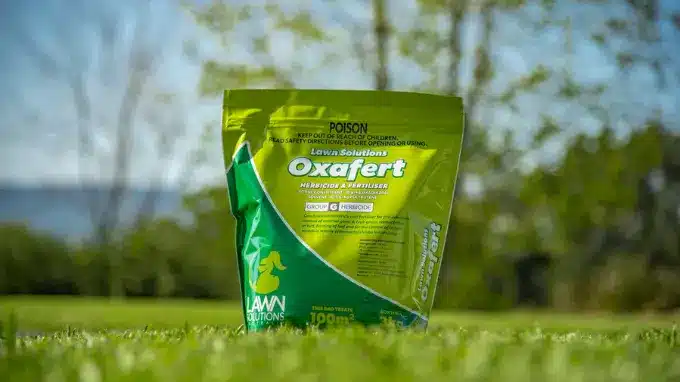
Annual Grassy weeds include Winter Grass, Summer Grass and Crowfoot, which can be prevented with the use of a pre-emergent herbicide such as Oxafert.

Step 2: Choose Your Attack

When you’ve only got a few weeds, manual removal is the way to go. This can be done by hand, using a screwdriver or with a weeding tool, but make sure you are getting the entire weed and its root system. Don’t give them a second chance! We recommend doing this after rain if you can, as the moisture in the soil will make it easier to lift the roots.

If you have a bigger broadleaf weed infestation, we suggest using a selective herbicide. This won’t damage your turf, but it will hurt the weeds! For the most effective application, we suggest spraying during active growth on a mild, calm day. Avoid doing it in extreme heat or frost. We also suggest that you don’t mow your law for 48 hours either side of application, and always follow the product label for application rates and optimal results.

Your best chance at staying ahead of weeds before they take over is by using a pre-emergent. Products like Oxafert stop weed seeds from germinating before they become a problem, when used at the right time. There are three times of the year we suggest applying Oxafert. The first is March, to block any autumn and winter invasions before the start. Secondly, in May, to provide your lawn with that extra reinforcement it may need before the heavier rains hit. And finally in August, to shut down any spring/summer threats and keep that lawn cricket-ready.

Step 3: Build Turf That Dominates

Weed control isn’t just about removal, it’s about building turf so strong that weeds can’t compete. Here’s your maintenance playbook:

Fertilise for Maximum Density

Dense, well-fed turf crowds out competition naturally.

Follow the StrathAyr performance calendar:

  • September – Spring activation
  • February – Summer strength
  • April – Autumn fortification
  • November – Optional boost for high-traffic areas

For sporting clubs and councils: consistent fertilisation means better wear tolerance and faster recovery.

Water Deep for Resilient Roots

Deep, infrequent watering builds drought-resistant turf with strong root systems.

For high-performance areas:

  • Water in early mornings
  • Focus on deep penetration over surface moisture
  • Adjust frequency based on usage and season

Strong roots = better performance under pressure. For more information, StrathAyr’s complete guide to watering and irrigation is available here.

Mow Like a Pro

Regular mowing at proper heights encourages lateral growth and thickness, which is your best natural weed barrier.

Optimal playing heights:

  • Sir Walter Buffalo: 30–40mm
  • Eureka VG Kikuyu: 25–40mm (excellent for high-traffic)
  • TifTuf: 10–25mm (superior drought tolerance)
  • Nullarbor Couch: 12–20mm (premium sports surface)
  • RTF Tall Fescue: 30–50mm

Never scalp more than one-third of the leaf height. Keep blades sharp for clean cuts that resist disease.

Repair Fast, Maintain Standards

Bare patches = weak points in your defence.

For quick recovery:

  • Loosen compacted soil
  • Add quality topsoil
  • Install repair slabs for instant coverage
  • Or fertilise aggressively to drive natural recovery

For sporting clubs: StrathAyrs slab-cut, washed turf means fast repairs between fixtures.

Common Weed Threats (And How to Beat Them)

Clover outbreak? This is a signal of nitrogen deficiency. Fertilise immediately and use a selective herbicide treatment.

Winter grass invasion? High-traffic areas are vulnerable. This is whay a pre-emergent application (Oxafert) in autumn is non-negotiable.

Bindii? Unacceptable for sports and recreation areas. Early spring treatment with a selective herbicide is your best defence.

The Winning Formula

Professional-grade turf comes down to consistency:

✓ Regular mowing program ✓ Strategic watering schedule ✓ Seasonal fertilisation (3-4 times annually) ✓ Pre-emergent applications at key intervals

Do this, and your StrathAyr turf will stay thick, resilient, and weed-free. Whether it’s a backyard, a bowling green, or a full-sized sporting oval, it will be Perfected for Play, all year round.

Game on.

January 7, 2026/by Belle Plunkett
https://strathayr.com/wp-content/uploads/2025/08/DSC08355.webp 1276 1920 Belle Plunkett https://strathayr.com/wp-content/uploads/2025/10/StrathAyr-Logo-300x138.png Belle Plunkett2026-01-07 14:58:472026-02-17 14:59:31Your Game Plan for Weed-Free Turf That Wins Every Time

Keeping Victoria’s Sports Fields Healthy and Resilient: The Role of Soil Wetters

Blog, Residential

Keeping Victoria’s Sports Fields Healthy and Resilient: The Role of Soil Wetters

Maintaining high-quality sports fields in Victoria requires careful management of water, soil structure, and turf health. In Melbourne and surrounding regions, sports field managers contend with cool, wet winters, drying spring conditions, hot summers, and increasingly variable rainfall. Combined with heavy usage and, at times, water restrictions, these conditions can place significant stress on turf surfaces.

One management practice that has become increasingly valuable across professional, council, and community sports grounds is the use of soil wetters. When used correctly and timed to suit Melbourne’s seasons, soil wetters can improve water efficiency, turf performance, and surface consistency throughout the year, leaving you and your team with the turf you deserve.

What Is a Soil Wetter?

A soil wetter, also known as a wetting agent, is a surfactant designed to improve how water moves into and through the soil profile. Rather than allowing water to bead on the surface or move unevenly through the soil, soil wetters help moisture spread more uniformly through the root zone.

This is particularly beneficial on sports fields where compaction, thatch, and variable soil profiles can prevent water from reaching roots effectively.

Why Soil Wetters Matter for Sports Fields in Victoria

Sports fields in Melbourne experience high wear during winter competition seasons, followed by drying conditions through spring and summer. Over time, this cycle can lead to uneven moisture levels, dry patch formation, and declining turf resilience.

Soil wetters help by improving water infiltration into compacted or hydrophobic soils, supporting more consistent moisture availability across the playing surface. This improves turf recovery after games, reduces localised dry areas, and supports stronger root development.

In addition, by helping water reach the root zone more efficiently, soil wetters can reduce the need for frequent irrigation. This is especially important during summer when irrigation windows are restricted and evaporation rates are high. Utimately this can lead to a lower water bill and a win for the environment. Now that’s a legacy worth leaving.

How Soil Wetters Work in the Soil Profile

Soil wetters work by reducing the surface tension of water, allowing it to coat soil particles and move through the profile more freely. Once applied and watered in, the product helps overcome water repellency and improves lateral and vertical water movement.

Unlike fertilisers, soil wetters do not add nutrients. Instead, they improve the effectiveness of existing irrigation and rainfall, making them a valuable support tool within an integrated turf management program.

A Melbourne Specific Application Schedule for Sports Fields

To gain the greatest benefit from soil wetters, the timing of applications should align with Melbourne’s seasonal conditions and sports field usage patterns.

Late Winter to Early Spring (August to September)

This is an ideal time to apply a soil wetter as soils begin to dry following winter rainfall and temperatures start to rise. An early application helps prepare the soil profile for increased evapotranspiration and spring growth.

Applying soil wetter at this stage improves infiltration as irrigation systems are recommissioned and supports even moisture distribution during early turf recovery.

Late Spring (October to November)

A follow up application in late spring helps maintain soil moisture uniformity as temperatures increase and rainfall becomes less reliable. This timing is particularly important for fields transitioning from winter sports to summer usage or renovation programs. We want you to have turf that’s perfected for play, all year round.

Maintaining consistent soil moisture during spring encourages deeper root growth and helps turf withstand upcoming summer stress.

Mid Summer (January to February)

During Melbourne’s hottest period, soil wetters can play a key role in managing dry patches and reducing water stress. A summer application supports efficient irrigation by helping water penetrate quickly during short watering windows.

Care should be taken to apply during cooler parts of the day and to water it in thoroughly to maximise effectiveness and minimise evaporation.

Early Autumn (March)

An early autumn application helps restore moisture balance following summer stress and supports turf recovery ahead of winter competition seasons. This timing is especially valuable for fields undergoing repair, overseeding, or increased usage. Autumn applications can also help improve water infiltration ahead of winter rainfall, reducing surface runoff and puddling. Have your sports field in tip-top shape for that first bounce.

Best Practice Tips for Sports Field Managers

Soil wetters should always be watered in after application to ensure they move into the root zone. Application rates and intervals should follow manufacturer recommendations and be adjusted based on soil type and field conditions.

For best results, soil wetters should be used alongside regular aeration, sound irrigation scheduling, and routine soil testing. They are most effective as part of an integrated turf management approach rather than a standalone solution.

Environmental and Operational Considerations

While soil wetters support efficient water use, they should be applied thoughtfully. Over-application provides no added benefit and may increase costs unnecessarily. Field managers should also ensure products used align with local council guidelines and environmental management plans.

By improving water efficiency and turf resilience, soil wetters can help Melbourne’s sports fields remain safe, green, and playable across demanding seasons, supporting both elite competition and grassroots sport throughout Victoria. Game on.

December 24, 2025/by Belle Plunkett
https://strathayr.com/wp-content/uploads/2025/08/DSC08355.webp 1276 1920 Belle Plunkett https://strathayr.com/wp-content/uploads/2025/10/StrathAyr-Logo-300x138.png Belle Plunkett2025-12-24 13:44:032026-02-17 14:59:59Keeping Victoria’s Sports Fields Healthy and Resilient: The Role of Soil Wetters

A Complete Guide to Watering & Irrigation

Blog, Residential

A Complete Guide to Watering & Irrigation

A healthy lawn relies on water; we are all aware of this. But when that lawn is expected to deliver for every backyard cricket match in the summer and every winter footy practice, the right watering strategy is essential.

More water doesn’t always equate to a thriving lawn, which is why we have developed the StrathAyr guide to irrigation and watering practices. We are here to ensure your lawn stays strong, sustainable and radiant all year round so that your lawn is always the best looking lawn on the street.

Watering Strategy

Just like us, lawns need water to thrive, and they also benefit from proper routines. To ensure your lawn is more resilient to heat, dry spells, pests and disease, we recommend watering deeply. This encourages turf roots to grow further down into the soil, where the moisture stays longer, and temperatures remain more stable.

Conversely, frequent shallow watering teaches roots to remain near the surface, leaving them vulnerable to drought and temperature fluctuations. The goal is deep, infrequent watering that trains your lawn to be self-sufficient and strong. After all, your playing surface is another important member of your team!

Establishing New Turf 

If you’ve recently installed your new StrathAyr lawn, consistent watering is vital to its success. Turf is a perishable product that must be watered as soon as it’s laid. This helps the slabs knit into the soil and begin forming deep root systems that will sustain your lawn for years, ensuring it remains durable and perfected for play.

During the establishment phase, water two to three times daily for the first fourteen days, increasing frequency during extreme heat. From weeks three to four, reduce to once daily as roots begin to establish. After four weeks, shift to deep watering two to three times per week.

Always water enough that you are soaking through the surface, to ensure the soil beneath the slabs stays damp. You can check this by gently lifting a corner of the turf to assess soil moisture.

Choosing the Right Irrigation System 

The best irrigation system delivers even coverage with minimal waste; however, it will also depend on whether you are watering a golf course or a community park. We have gathered the options here, so you can make an informed decision:

Pop-Up Systems work ideally for permanent lawns and can be set on timers for consistent watering. Ensure heads are properly adjusted to avoid wasteful overspray onto paths, fences or other non-target areas. This is a popular choice for sporting fields and parks across Victoria, ideally installed prior to turf being laid.

Sprinkler Systems offer versatility for most lawns. Choose sprinklers that produce larger droplets to reduce evaporation, and schedule early-morning watering to maximise efficiency and make every drop count. You will often see these on lawn tennis courts.

Drip Irrigation provides highly water-efficient delivery, especially for irregular-shaped lawns or garden beds adjoining turf. Drip systems deliver water directly to the root zone, minimising both evaporation and runoff.

Combining a smart irrigation controller or timer with rain sensors to adjust watering based on weather conditions automatically can be a very efficient approach, with this simple addition saving time and water while ensuring your lawn receives exactly what it needs.

Optimal Watering Times

Between the hours of 5 am and 10 am is the most effective time to water your lawn, as the cool, calm air allows moisture to soak deep into the soil and reduces the risk of loss through evaporation. We suggest avoiding watering late at night, as prolonged dampness can encourage fungal problems, particularly in humid weather conditions.

Water Smart, Grow Strong, Game On

The right irrigation technique and routine won’t just conserve water; it will build a better, more resilient lawn for your home. At StrathAyr, we’re committed to helping you create thriving green spaces for every occasion and every season.

Our meticulous attention to detail in every aspect of production and delivery, ensures you receive premium quality turf built to endure.

For personalised advice on irrigation systems, water requirements or variety selection, reach out to the team at StrathAyr. We are here to ensure your lawn is perfected for play, all year round.

Call us on 1800 622 455 or visit strathayr.com 

November 25, 2025/by Belle Plunkett
https://strathayr.com/wp-content/uploads/2025/11/WordPress-Images-16-1.png 800 1200 Belle Plunkett https://strathayr.com/wp-content/uploads/2025/10/StrathAyr-Logo-300x138.png Belle Plunkett2025-11-25 07:40:342025-12-16 20:27:09A Complete Guide to Watering & Irrigation

Drought-Tolerant Lawns for Summer

Blog, Residential, Uncategorized

Drought-Tolerant Lawns for Summer 

We all know that Australian summers can be unforgiving. Scorching sun, water restrictions and unpredictable rainfall conspire to test lawns across the country. That doesn’t mean you must sacrifice the dream of a lush, green lawn where memories are made. 

At StrathAyr, our specialty is turf varieties that are bred to thrive in dry conditions, while remaining soft underfoot and beautiful year-round. If you’re seeking the best drought-tolerant turf for Victoria, here’s why these standout varieties deliver exceptional performance when water is scarce. 

Sir Walter DNA Certified Buffalo 

Developed specifically for Australian conditions, Sir Walter DNA Certified Buffalo is engineered to excel in harsh climates year-round, from frosty winters to dry, hot summers. This soft-leaf buffalo is tough yet plush, creating a velvety surface that invites barefoot walks and backyard play. Its dense, broad leaves shade the soil naturally, slowing evaporation and locking in valuable moisture. 

Why Sir Walter Excels in Drought 

Sir Walter’s deep root system reaches moisture further down in the soil profile, accessing water reserves that shallow-rooted grasses cannot reach. Its dense growth habit acts like natural mulch, reducing water loss through evaporation. The variety thrives brilliantly in full sun but handles partial shade with equal competence, making it remarkably versatile for varied landscapes. Its self-repairing characteristics mean it recovers quickly from wear or heat stress. 

Once established, Sir Walter demonstrates exceptional water efficiency and resilience. It’s perfect for family backyards where children play cricket, shaded courtyards where parents unwind, and high-traffic areas where life happens. For DIY homeowners and tradespeople servicing family homes, Sir Walter represents the ideal choice: a lawn that’s easy to install, simple to maintain and built to last. 

Imagine laying this soft-leaf turf yourself, watching it knit into the soil and flourish into a sparkling green space where family and friends gather.  

Eureka Premium

When the mercury rises and water restrictions bite, Eureka Premium Kikuyu comes into its own as one of Australia’s most drought-tolerant lawn solutions.

This premium variety has been specifically bred to develop an exceptionally deep and vigorous root system that can reach moisture reserves well below the surface, meaning your lawn keeps its lush green colour even when neighbouring lawns are turning brown. Unlike thirstier grass varieties that demand constant watering through the summer months, Eureka Premium’s efficient water usage means it can bounce back quickly from dry spells with just a fraction of the irrigation, making it an ideal choice for water-conscious households and areas facing seasonal restrictions. Its natural heat tolerance and ability to self-repair through aggressive lateral growth means that even during Australia’s harshest summers, your lawn maintains the kind of density and colour that makes it the envy of the street – all while keeping your water bills in check.

TifTuf: The Water-Wise Wonder

If you’re seeking a fine-leafed lawn that handles heat with remarkable resilience, TifTuf remains the unbeatable option. 

TifTuf is the first turf grass in Australia to receive the Smart Drop Certification, meaning it’s proven to use up to 38 percent less water than other turf varieties while maintaining excellent colour and coverage year-round.  

Why TifTuf Leads in Water Efficiency 

Developed from evaluating 30,000 couch varieties, TifTuf represents the pinnacle of drought-resistant turf breeding. Its fine leaves and dense coverage minimise water loss through evaporation. High wear tolerance makes it perfect for active backyards and sports areas. Quick recovery and self-repairing growth habits make it incredibly resilient. 

Once established, TifTuf can survive extended dry periods without losing its vibrant green colour. It’s tough, attractive and built for the unpredictable extremes of Victorian summers, staying fresh and play-ready even when conditions challenge. 

Establishing Drought-Tolerant Turf Successfully 

Even the toughest lawns need the right foundation. Here’s how to help your new turf develop water-smart characteristics and flourish for years to come: 

  • Prepare your soil thoroughly before laying.
  • Use a soil conditioner or wetting agent like Amgrow Wettasoil to improve moisture retention, particularly in sandy or water-repellent soils.
  • Install irrigation efficiently, watering deeply and less frequently to encourage deeper root development.
  • Apply LSA Lawn Launcher when installing your turf to promote rapid root establishment, and top up with Exceed Liquid Fertiliser during the first summer for extra stress resistance.
  • Mow at a slightly higher setting; keeping your grass a bit longer helps shade the soil and prevent evaporation. 

With proper care through the establishment phase, StrathAyr’s turf varieties will continue to thrive even through long, hot, dry periods.  

At StrathAyr, we’re committed to supplying lawns that suit all lifestyles, even during the toughest seasons. GAME ON.  

Contact the team today at strathayr.com or 1800 622 455  

November 19, 2025/by Belle Plunkett
https://strathayr.com/wp-content/uploads/2024/07/DSC07426.jpg 1334 2000 Belle Plunkett https://strathayr.com/wp-content/uploads/2025/10/StrathAyr-Logo-300x138.png Belle Plunkett2025-11-19 12:37:522026-01-08 08:43:08Drought-Tolerant Lawns for Summer

Laying a new lawn in Summer

Blog, Residential

Laying a new lawn in Summer

When the weather heats up, most people think of winding down. But at StrathAyr, we know that it’s also the perfect time for projects to get underway! Whether it’s a local park revamp or your backyard, with the right preparation and watering routine, turf laid in the warmer months can establish faster, greener and stronger than ever. 

Here’s why you should take advantage of the season and get your new lawn thriving this summer. 

Warm weather means rapid root growth 

Turf loves warmth, especially varieties like Sir Walter DNA Certified Buffalo and TifTuf Bermuda, which thrive in the Australian climate. The warmer soil temperatures in summer encourage quick root establishment, helping your turf settle in faster and start spreading sooner. Unlike cooler months when growth can slow down, summer gives your new lawn a head start, so it’s well established before the chill of winter sets in. 

More sunlight means stronger turf 

Sunshine is your new lawn’s best friend. The longer daylight hours of summer help turf produce more energy through photosynthesis, which promotes lush green colour and strong, dense coverage. If you’re working with a patch that’s been looking a little tired or uneven, summer’s sunlight can help your new lawn bounce back quickly, which is perfect timing for outdoor entertaining season! 

Easier to keep moisture consistent

While summer can bring hotter, drier conditions, modern turf varieties are designed to handle it. By following a consistent watering schedule during the first few weeks, your turf will establish deep, healthy roots that make it more drought-tolerant in the long run. Installing an irrigation system or using a smart timer can make watering easy and efficient, ensuring your new lawn gets exactly what it needs to thrive. 

Instant transformation for outdoor living 

There’s no better time to enjoy a beautiful green lawn than summer. Installing turf now means you can enjoy instant results; you’ll have a lush, soft surface for barbecues in the park, family games in the backyard, and relaxing afternoons outdoors before you know it.  

Summer turf care made simple

With a few simple steps, your summer-laid lawn will flourish. Lay on moist soil and water immediately after installation. Keep the surface damp for the first 2–3 weeks while roots establish. Mow lightly once the turf is well rooted and avoid cutting it too short. Fertilise early in the growing season to encourage strong growth and colour. 

At StrathAyr, we grow turf varieties suited to Australia’s warm, dry conditions, perfected for play all year round.

To find out more about making the most of summertime, contact the team at strathayr.com or 1800 622 455. 

November 17, 2025/by Belle Plunkett
https://strathayr.com/wp-content/uploads/2025/08/DSC08439.webp 797 1200 Belle Plunkett https://strathayr.com/wp-content/uploads/2025/10/StrathAyr-Logo-300x138.png Belle Plunkett2025-11-17 12:22:552025-11-20 17:06:57Laying a new lawn in Summer

The History of TifTuf: A Turf Built to Thrive  

Blog, Residential

The History of TifTuf: A Turf Built to Thrive  

When it comes to tough, good-looking lawns that can handle the Australian climate, TifTuf Hybrid Bermuda is a standout performer. Engineered for peak playability and designed to thrive under pressure, TifTuf has become the benchmark for modern, water-efficient turf. Let’s take a look at the fascinating history behind this world-class variety. 

From the labs of the University of Georgia 

TifTuf’s story begins at the University of Georgia’s Tifton Campus, a world-leading centre for turfgrass research. For over 25 years, scientists there have been developing & improving Bermuda grass varieties that deliver exceptional performance under tough conditions. After testing over 30,000 hybrid variations, one line stood out for its outstanding colour retention, fine leaf texture and remarkable drought tolerance. This became the variety we now know as TifTuf Hybrid Bermuda. 

Before making its way to Australia, TifTuf underwent rigorous field trials across the United States. Researchers evaluated how well it performed under stress: from heat and drought to heavy wear. The results were impressive, with TifTuf consistently able to maintain excellent colour and density with up to 38% less water than other couch grasses. These results led to TifTuf being the first grass in the world to receive the Smart Approved WaterMark, recognising its water efficiency and sustainability. 

A perfect fit for Australian conditions 

When TifTuf was introduced to Australia through the TurfBreed and Lawn Solutions Australia network, it was an instant hit with growers, landscapers and homeowners alike. Our climate can be punishing, but TifTuf’s drought tolerance, wear resistance and quick recovery make it a natural choice for Australian backyards, sports fields and commercial landscapes. Its fine leaf and bright green colour add instant appeal, while its ability to stay strong and healthy through long, hot summers makes maintenance easier and more sustainable. 

The benchmark for modern turf 

Today, TifTuf is recognised across the country as one of the most advanced turf varieties available. Its combination of beauty, durability and water efficiency reflects decades of scientific innovation. It’s now the benchmark for modern, environmentally conscious lawn care. TifTuf Bermuda is engineered for high wear, drought tolerance and sports performance, making it the go-to choice for sports fields and active families who demand stadium-worthy surfaces at home. 

At StrathAyr, we’re proud to grow and supply TifTuf Hybrid Bermuda, knowing it’s a turf that not only looks great but also performs brilliantly in the conditions we know best. Your lawn. Your lifestyle. GAME ON. 

November 14, 2025/by Belle Plunkett
https://strathayr.com/wp-content/uploads/2025/11/TifTuf-4.jpg 1367 2048 Belle Plunkett https://strathayr.com/wp-content/uploads/2025/10/StrathAyr-Logo-300x138.png Belle Plunkett2025-11-14 17:06:032025-11-20 17:06:02The History of TifTuf: A Turf Built to Thrive  
Page 1 of 9123›»

Guides on Installing Your Instant Lawn

  • Picture of RTF Tall Fescue GrassWatering Tips for Warm and Cool Season GrassesJune 7, 2025 - 6:24 pm
  • How heavy is a slab of natural turf?August 11, 2023 - 4:14 pm
  • VIDEO – LOOKING AFTER A NEW INSTANT LAWNMarch 8, 2019 - 6:38 am
  • VIDEO – SOIL PH LEVELS FOR A HEALTHY LAWNMarch 8, 2019 - 6:35 am
  • USING DOLOMITE LIME TO REDUCE SOIL ACIDITY FOR A HEALTHY LAWNMarch 8, 2019 - 6:31 am
  • Improving SoilIMPROVING SOIL STRUCTURE WITH GYPSUM FOR A LUSH LAWNMarch 8, 2019 - 6:17 am
  • Fresh turf in front gardenHOW TO LAY TURF PART 4: AFTERCAREMarch 8, 2019 - 6:10 am
  • Leaf blower blowing leavesAUTUMN LAWN CAREMarch 8, 2019 - 5:59 am
  • Fertiliser sprinkled on lawnCAN YOU OVER FERTILISE YOUR LAWN?March 8, 2019 - 5:53 am
  • Worm waste in grassGOT WORMS?March 8, 2019 - 5:44 am
Get a free quote
StratAyr Lawn Solutions

I’M READY TO BUY TURFCall 1800 622 455

Facebook Instagram Twitter LinkedIn YouTube

Privacy Policy Delivery Information Terms & Conditions

Scroll to top